Berlin's mayor Gustav Böss had promised the 50‑year‑old scientist a country house for his birthday on 14 March 1929, but the city was unable to secure an unoccupied property without displacing tenants, sparking a public dispute that revealed antisemitic undertones in the city council.
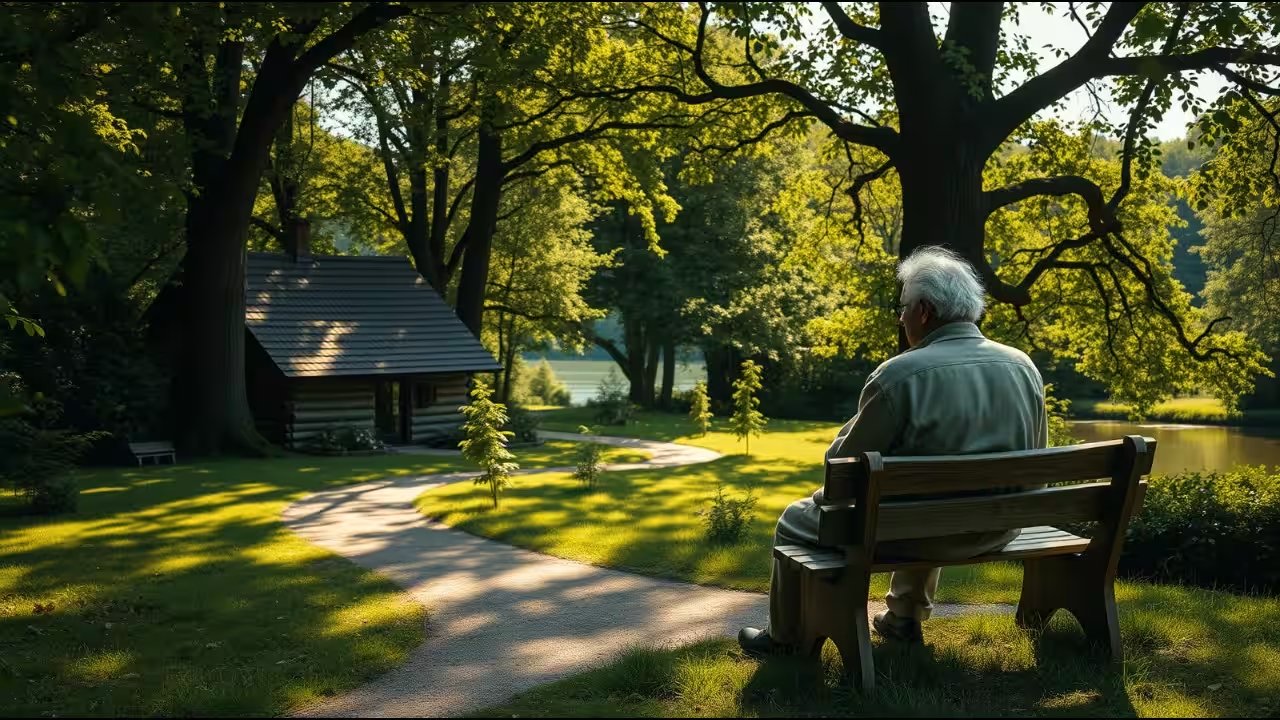
When Elsa Einstein heard of a parcel in Caputh offered by neighbour Adolf Stern, the Einstein family took possession of the land, and the young architect Konrad Wachsmann drew up plans for a modest timber summer house that would be built on the banks of the Havel lake. A building permit was submitted on 12 May 1929 and approved the following month, and the house was ready for the family by September of that year.
Einstein spent the 1929‑32 seasons at the retreat, where he could retreat from public duties, take walks along the lake, and entertain visitors such as Rabindranath Tagore, Max von Laue, and Hermann Struck, who even illustrated a page of the house’s guestbook. Elsa kept the book as a memento, and Einstein encouraged guests to write in verse.
In December 1932 the Einsteins fled to the United States, and the Nazi regime soon searched the Caputh house on 20 March 1933, eventually seizing it as part of its anti‑Jewish campaign. The property changed hands several times, and its upkeep deteriorated until the East German Academy of Sciences restored it in 1978‑79 for the centenary of his birth.
After German reunification the Einstein Forum assumed responsibility in 1993, and a 2005 renovation funded by the German federal government and the Cornelsen Culture Foundation prepared the house for the Einstein Year. Today the property, now owned by the Hebrew University of Jerusalem, is operated as a memorial and research centre, offering guided tours to scholars and visitors who wish to glimpse the scientist’s private sanctuary.