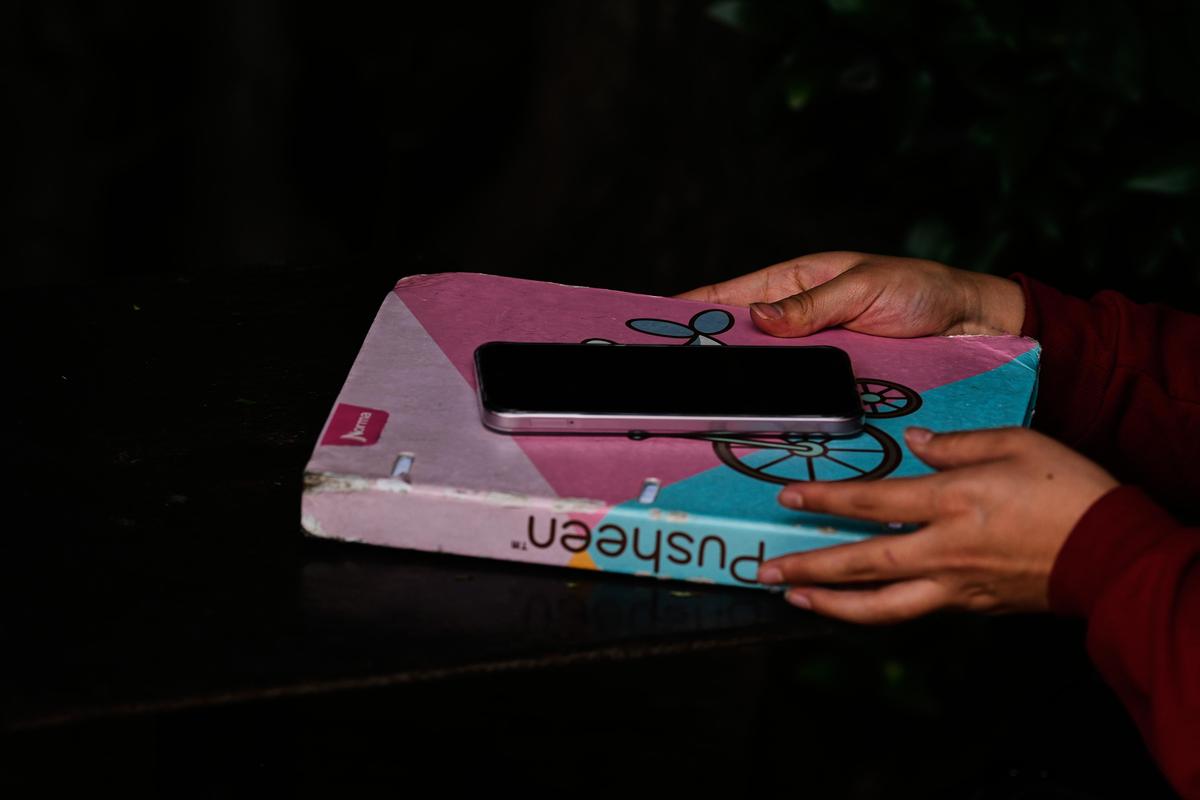
Mexican classrooms will fall silent on November 3. Under a sweeping federal decree signed by President Claudia Sheinbaum, elementary and middle schools across the country must lock away student smartphones and electronic devices for the entire school day. The goal is blunt: break children's compulsive attachment to glowing screens and arrest an escalating youth mental health crisis. Students may still pack devices for their daily commute. But once the morning bell rings, the screens must go dark.
School yards have turned into digital trenches. Addressing Mexico's Chamber of Deputies, Secretary of Public Education Mario Delgado warned that federal officials acted to halt rampant digital addiction and the severe behavioral disorders it breeds among minors. Unchecked screen exposure steadily erodes attention spans. It elevates chronic stress and fuels persistent classroom anxiety. By cutting off access during school hours, public health authorities want to rebuild sustained focus and revive face-to-face social development in formative years.
Global data reveals the scale of the damage. Research compiled by UNESCO's Global Education Monitoring team shows that algorithms on video platforms like TikTok target adolescents with distorted body image material every 39 seconds. Worse, the platform serves content tied to eating disorders every eight minutes. Over half of all countries now restrict mobile devices in learning spaces to shield developing brains from compulsive digital feedback loops. Alongside the classroom ban, Mexican authorities will enforce separate platform regulations this month to compel tech firms to strip out cyberbullying, harassment, and violent posts.
Yet the mandate has rattled families across high-risk regions. In Sinaloa and Tamaulipas, parents openly fear losing instant contact with their children during sudden security emergencies. Civil society coalition Network for Children's Rights in Mexico reported that one in 10 young Mexicans between ages zero and 17 fell victim to crimes tied to organized crime during the first half of this year. Francisco Ortiz, a Sinaloa representative for the National Union of Parents, argued the blanket prohibition overrides basic parental oversight. Benigno Gomez, a parent in Reynosa, noted that while curbing classroom distraction makes educational sense, leaving students without an emergency link in vulnerable corridors creates intense dread.
Federal guidelines carve out vital clinical exceptions. The decree explicitly permits device usage for students who require mobile technology to manage documented medical conditions, monitor disabilities, or complete targeted teacher-directed assignments. For families preparing for the transition, health professionals advise establishing clear check-in protocols before morning drop-off and after afternoon dismissal. School-hour disengagement gives overstimulated brains space to recover, but consistent household boundaries must reinforce the habit at home.