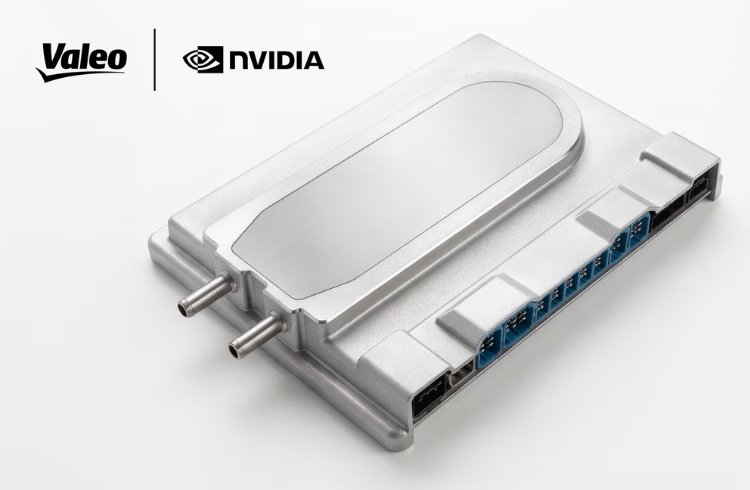
The partnership between Valeo and NVIDIA Hyperion is set to bring a robust, ready‑made computing backbone to next‑generation autonomous vehicles. Valeo’s engineers will convert NVIDIA’s reference architecture into a production‑grade board that houses two DRIVE AGX Thor chips, each delivering 80 TOPS of inference power and a built‑in redundancy that meets Level 4 safety requirements.
The platform isn’t just about raw horsepower. It also bundles NVIDIA’s Halos safety framework, which provides a failsafe pathway for the dual processors to hand over control in case one fails. That means a single vehicle can maintain high‑level autonomy even if one chip goes dark, a feature that OEMs have been scrambling to certify.
From an OEM perspective, the biggest advantage is integration speed. Instead of designing and validating a bespoke AI core, manufacturers can slot the Valeo board into their chassis and focus on sensor suites and software. This could shave months off the development timeline for robotaxi fleets and commercial trucking lines that are already eyeing Level 4 certification.
Industry watchers will also note that Valeo’s experience in functional safety and manufacturing gives the platform a credibility edge over newer entrants like Tesla’s in‑house computer or Waymo’s custom silicon. The board will be available to global OEMs from Q3 2026, with a first‑hand deployment expected in the European commercial trucking market.
As the autonomous vehicle race accelerates, having a battle‑tested, redundant compute module could be the difference between a product that gets stuck in beta and one that hits the road. Keep an eye on how quickly Tier‑1 suppliers like Bosch and Continental bring comparable solutions to market, and whether Valeo’s partnership will set a new industry baseline.