Human health does not stop at the clinic door. It never did.
Long before epidemiologists coined the term 'One Health'—the medical principle recognizing that human, animal, and environmental well-being remain inseparable—ancient statecraft treated the triad as a single public mandate. In an evaluation of preventive healthcare governance, researchers Charudutta Panigrahi and Dr Sanghamitra Pati pointed to Emperor Ashoka’s second Major Rock Edict, etched into stone during the third century BCE. Ashoka recorded state-funded medical treatment of two distinct kinds: one for people and one for animals. Where curative botanicals ran short, royal administrators imported and planted healing herbs across the realm.
Twenty-three centuries later, modern medicine is racing to catch up with that bedrock premise. The divide between veterinary practice and human medicine remains artificial. German physician Rudolf Virchow captured that exact truth in the nineteenth century when he coined the word 'zoonosis'—the medical term for infections that jump directly from animals to humans. Between human therapy and veterinary science, Virchow insisted, no dividing line exists. Nor should there be.
Preventive healthcare demands an understanding of how shared environments shape everyday immunity. Zoonotic pathogens—ranging from tick-borne infections and flea-carried bacteria to bird flus and bovine tuberculosis—do not operate in silos. When domestic cattle graze on depleted land or wild animal habitats shrink, microbial spillover accelerates. Pathogens leap from livestock or parasites into human bloodstreams, overwhelming primary health networks before clinicians pinpoint the transmission vector.
Yet clinical systems still separate human hospitals from animal husbandry departments. Panigrahi and Dr Pati argue that true preventive care requires tracking genomes, flea vectors, and livestock wellness as an unbroken surveillance circuit. Monitoring livestock sickness, protecting medicinal plant biodiversity, and regulating antibiotic use in farm animals safeguard human communities far more effectively than treating acute symptoms after an outbreak strikes.
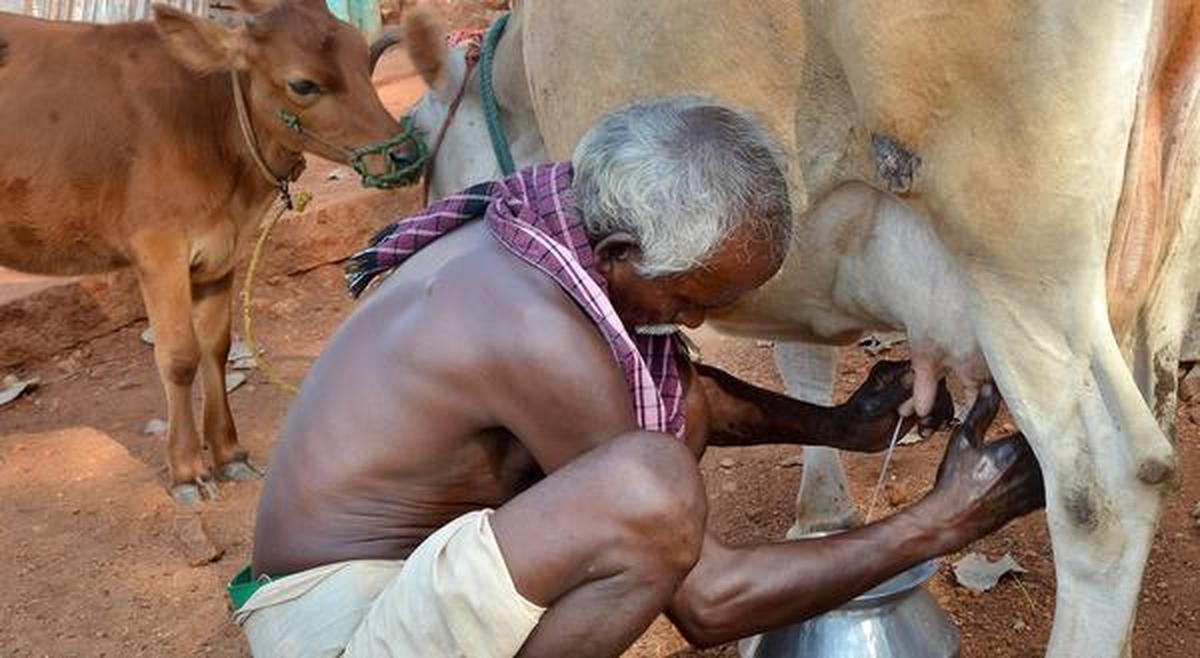
Citizens do not need a microbiology lab to practice integrated health awareness. Everyday wellness begins with recognizing household exposure risks. Pet owners and rural households should maintain strict deworming and anti-parasite regimens for dogs, cats, and cattle to choke off vector-borne transmission paths. Consuming thoroughly cooked dairy and meat products eliminates lingering bacterial contamination, while reducing household reliance on broad-spectrum antibiotics prevents drug-resistant superbugs from colonizing family environments.
Prevention remains the oldest medicine on earth. By anchoring national healthcare in the combined well-being of humans, animals, and soil, medical practitioners aim to dismantle cross-species contagion long before the next pathogen enters a hospital ward.