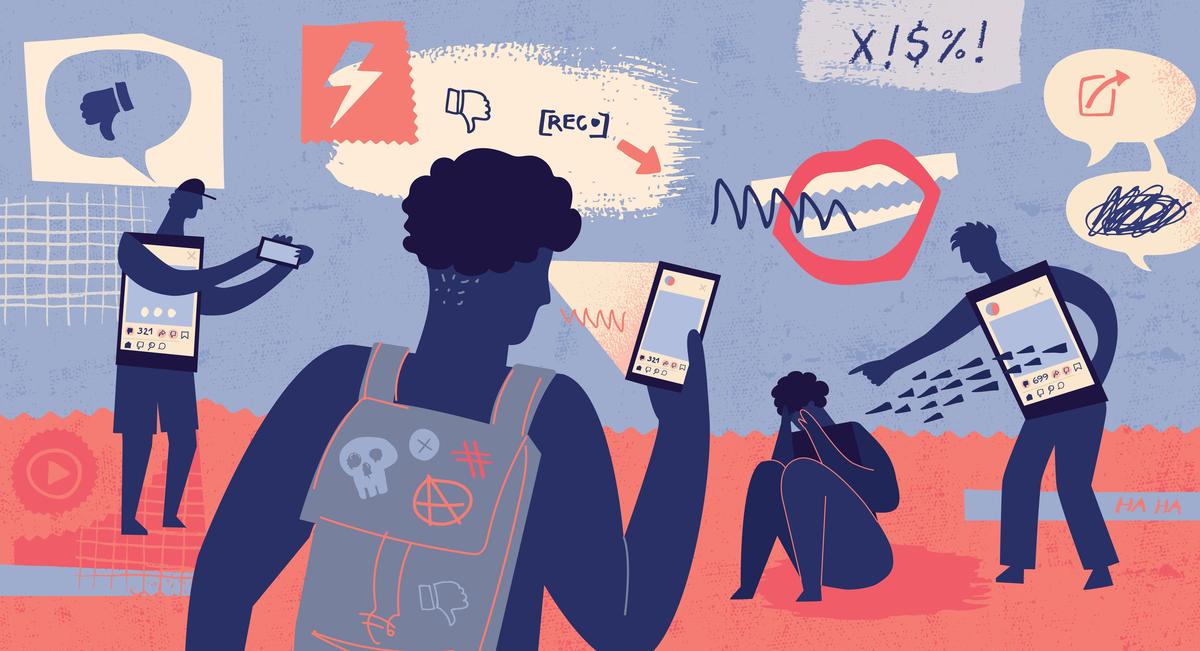
One in three students across the globe faces bullying every single month. And for one in ten, the abuse now follows them home through personal screens. In its newly published policy brief titled 'Connected and Safe', UNESCO warned that schoolyard intimidation has expanded into dangerous digital territory—accelerated by consumer-grade artificial intelligence tools that outpace school defenses.
School digital harassment is no longer a fringe disruption. Across 44 surveyed nations in Europe, Central Asia, and North America, cyber bullying prevalence rose from 12 percent to 15 percent between 2018 and 2022 among both boys and girls. UNESCO Director-General Khaled El-Enany pointed out that the statistics represent millions of vulnerable young learners whose emotional stability, classroom participation, and long-term health face daily disruption. The consequences, he noted, extend far past school grounds.
New generative tools have lowered the barrier to psychological harm. Classrooms now confront severe incidents involving nudification apps, synthetic voice cloning, automated harassment scripts, and AI companion applications leveraged for predatory grooming. These digital vectors strip away a student's sense of privacy and safety, triggering prolonged anxiety and social withdrawal.
While boys and girls report identical baseline rates of bullying, the tactics diverge along sharp gender lines. Boys face higher rates of physical battery and violent disciplinary corporal punishment. Girls, conversely, shoulder the brunt of psychological cruelty—bearing the weight of appearance-focused cyber bullying and physical sexual violence. Sexual jokes and derogatory comments target both groups at comparable rates.
Learners with disabilities, youth identifying as LGBTQ+, and children from economically isolated backgrounds endure the heaviest and most frequent attacks. When harassment takes digital form, symptoms often go unnoticed by educators and parents until a child demonstrates sudden academic decline or acute mental health strain.
To halt the escalation, UNESCO stressed that teachers cannot solve systemic algorithmic harms alone. The agency called on education ministries and technology developers to finance comprehensive mental health and psychosocial support services, train instructors in digital danger signs, and build rapid incident-reporting channels. UNESCO has formally initiated consultations on a global recommendation for digital environments and artificial intelligence, seeking enforceable safeguards that protect young users before these technologies reach student hands.