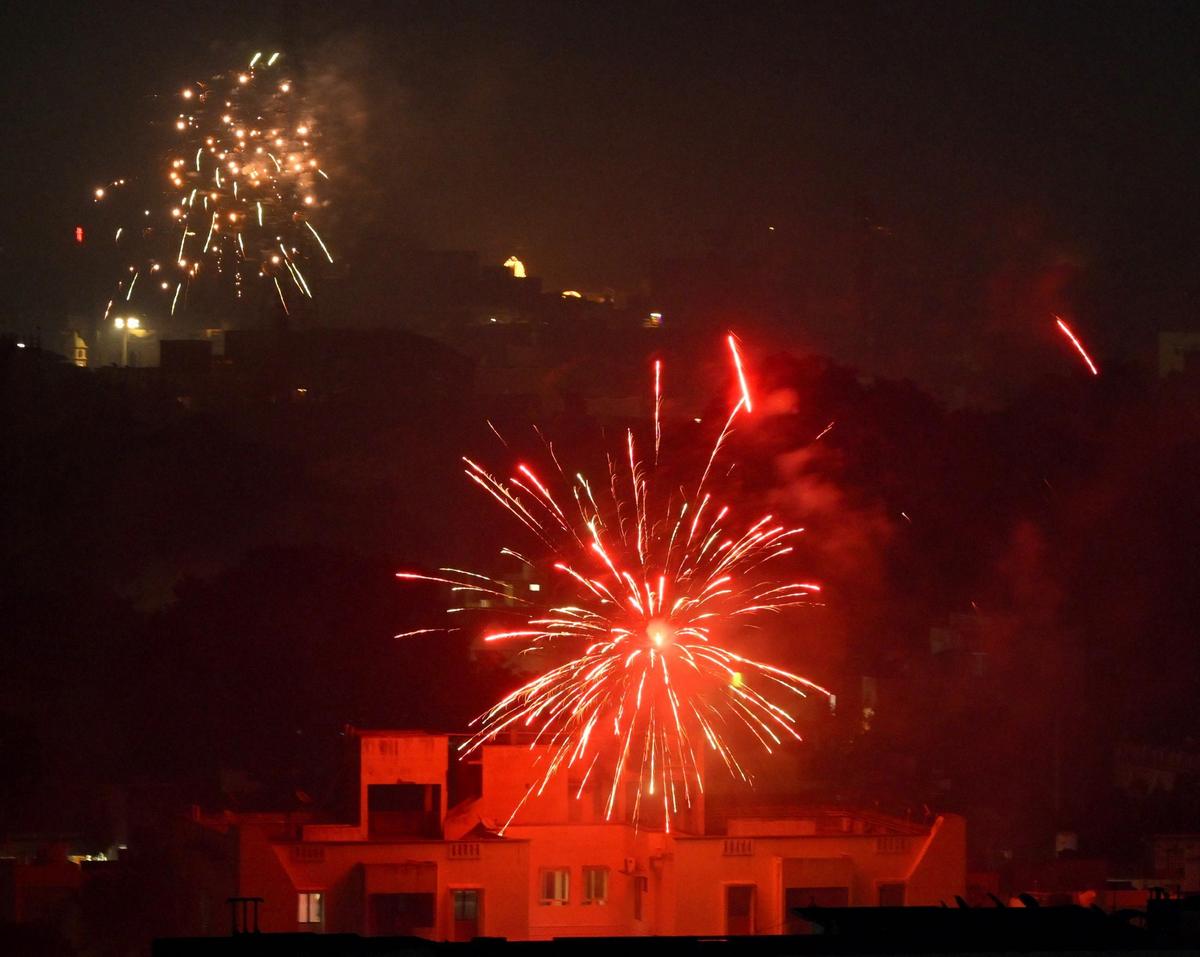
A single evening of firecracker emissions can overwhelm healthy human lungs. Across Delhi and Chennai, thick post-Deepavali smog settled over neighborhoods this week, pushing ambient toxicity to dangerous thresholds and sending patients with sudden coughing and wheezing to outpatient clinics. The physical breakdown happens fast. High concentrations of fine particulate matter slip past natural nasal filters, entering deep bronchial passages within hours of exposure. For people living with asthma or chronic bronchitis, the reaction is swift and debilitating. Yet doctors emphasize that perfectly healthy airways also buckle under this level of chemical irritation.
Coughing starts as a protective reflex. The body attempts to clear abrasive particles coated with chemical oxidizers. When exposure continues throughout the night, bronchial tissues swell, airway linings become inflamed, and the smooth muscles around the lungs contract into spasms. Breathlessness follows. In vulnerable households, inhaler usage routinely doubles during the holiday window as families struggle against sudden chest tightness.
To quantify this hazardous atmospheric soup, the Central Pollution Control Board relies on a consolidated Air Quality Index calculated from eight primary pollutants. Two of them—PM2.5 and PM10—cause the most direct physical damage to human respiratory tracts. These microscopic particulates carry heavy metals and soot directly into the alveoli, where oxygen transfers into the bloodstream. The CPCB also tracks nitrogen dioxide, sulphur dioxide, and carbon monoxide, alongside ozone, ammonia, and lead. When combusted firecrackers release concentrated sulphur and nitrogen gases simultaneously, the air transforms into an acidic irritant that burns the eyes and inflames mucous membranes.
| Pollutant Tracked | Primary Physiological Impact | Primary Source During Celebrations |
|---|---|---|
| PM2.5 & PM10 | Penetrates deep alveoli; triggers acute asthma flare-ups | Firecracker smoke and combustion residues |
| Sulphur Dioxide | Irritates upper respiratory tract; constricts airways | Gunpowder and pyrotechnic oxidizers |
| Nitrogen Dioxide | Inflames lung lining; lowers resistance to infections | High-temperature explosive reactions |
| Carbon Monoxide | Reduces oxygen-carrying capacity in circulating blood | Incomplete combustion in dense smog |
The damage is not confined to the lungs. Cardiologists warn that the systemic inflammation triggered by breathing heavy smog taxes the heart, driving up blood pressure and putting individuals with preexisting cardiovascular conditions under acute stress. Fine particles cross from pulmonary tissue into the vascular system, thickening blood and escalating cardiovascular risks alongside respiratory distress.
Recovery requires minimizing further toxic intake. Health professionals recommend sealing windows during peak night and early morning hours when cool air traps pollutants close to ground level. High-efficiency particulate air purifiers help clear indoor spaces, but vulnerable individuals must also avoid intense outdoor cardiovascular workouts until local AQI readings improve. Anyone relying on maintenance inhalers should keep prescribed rescue medication accessible at all times. If shortness of breath persists despite rest, or if chest pain develops, patients should bypass home remedies and consult a pulmonologist immediately.