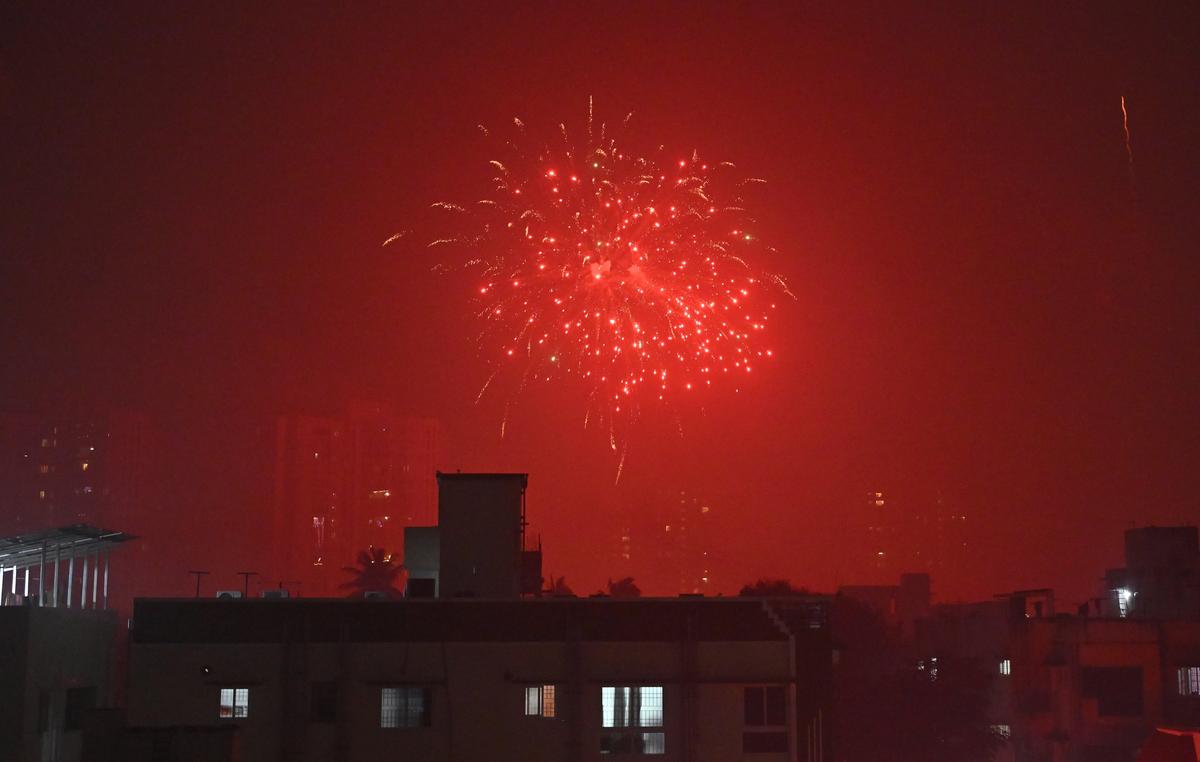
A burst of spark. A delayed fuse. Then, total darkness.
Chennai’s top eye specialty centres treated more than 130 patients for firecracker-induced trauma following Deepavali on Sunday, November 8, 2026, prompting senior ophthalmologists across the city to issue critical clinical alerts on eye safety and emergency intervention. The surge overwhelmed trauma rooms across major government and private facilities, forcing dozens of patients onto surgical tables for corneal and scleral wound repairs.
At the Regional Institute of Ophthalmology and Government Ophthalmic Hospital, doctors handled approximately 50 casualty cases, with 10 patients admitted immediately for specialized inpatient monitoring, according to hospital officials. Sankara Nethralaya recorded 45 trauma cases at its main emergency clinic over the festive weekend. Two patients underwent immediate wound repair surgeries, while two additional patients were prepped for surgical intervention on Monday, November 9, confirmed T.S. Surendran, chairman of Sankara Nethralaya.
Dr. Agarwals Eye Hospital treated nearly 20 patients presenting with firecracker burns and projectile trauma. One severe case required immediate emergency surgery after a firecracker failed to ignite on cue. When the individual leaned closer to inspect the unexploded firework, the device detonated directly in his face, damaging both eyes. Dr. S. Soundari, regional head of clinical services at the hospital, pointed out that while four cases involved children, the majority were adults in their 30s and 40s. Most minor cases will be managed medically, but chemical burns and blast impacts can leave permanent corneal scarring if untreated.
Rajan Eye Care examined roughly 15 patients over a 72-hour period, with chairman and medical director Mohan Rajan confirming that one individual required major ocular surgery while others received outpatient care. Dr. Rajan emphasized that bystanders frequently sustain the worst blast injuries, suffering trauma despite never handling fireworks themselves.
Ophthalmologists stress that the first minutes after an ocular blast determine whether a patient retains their vision. Dr. Soundari issued clear clinical precautions for anyone exposed to cracker burns or projectile debris:
Do not rub the eye: Rubbing can drive sharp chemical residues and debris deeper into delicate corneal layers, turning a manageable scratch into a full-thickness laceration.
Do not self-medicate or extract objects: Never attempt to rinse with unsterile water or pull out foreign particles with tweezers, cotton swabs, or fingers.
Shield the eye without pressure: Place a clean, rigid shield or paper cup over the eye without pressing against the globe.
Seek an ophthalmologist immediately: Rush directly to a dedicated eye emergency department rather than a generic clinic, as blast burns often involve hidden internal hemorrhages or retina detachment.
Doctors urge families to mandate protective polycarbonate eyewear for anyone bursting crackers, maintain safe clearances for onlookers, and supervise children around all ignition areas.