Your festive kitchen staples may not be what the packaging claims.
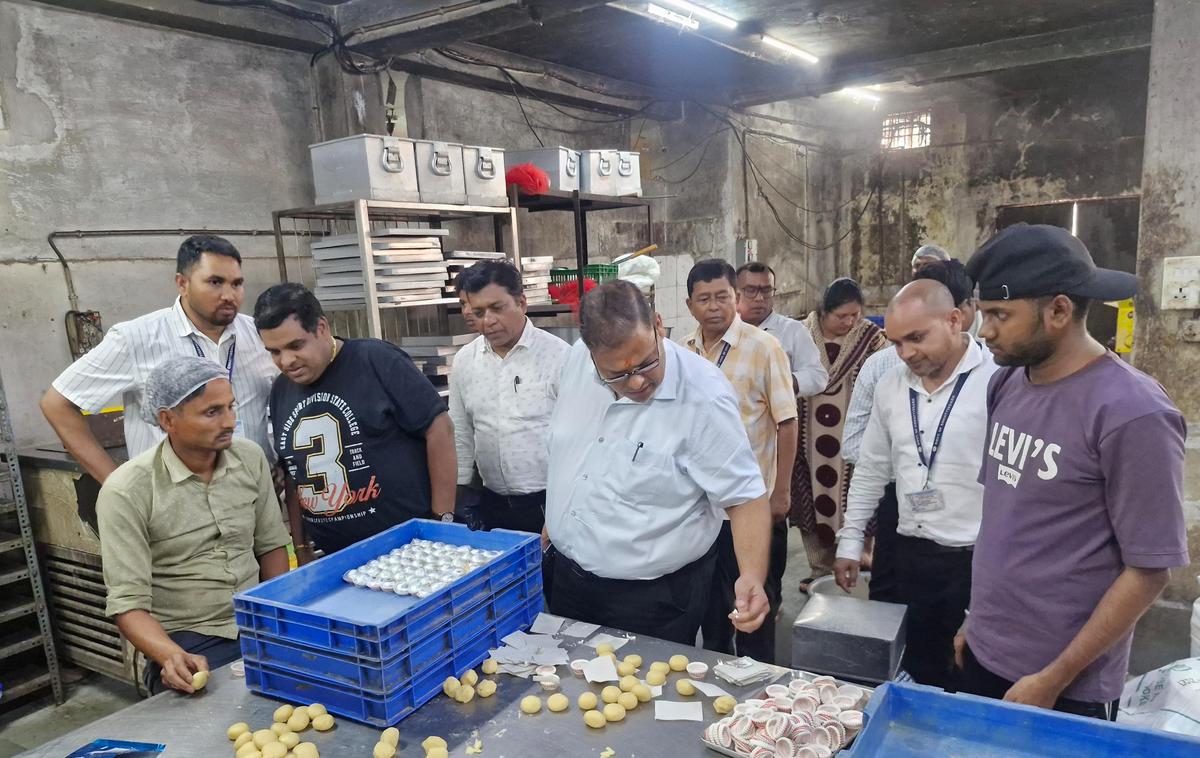
Testing teams from the Food Safety and Standards Authority of India (FSSAI) confiscated 3,279.57 tonnes of banned and non-compliant food products worth ₹81.80 crore during an aggressive nationwide enforcement sweep between September 1 and November 5. Spanning 56,431 commercial food establishments across states and Union Territories, the operation targeted dangerous adulterants slipping into the everyday food chain. Regulators canceled 52 business licences outright, suspended another 1,133, and slapped padlocks on 314 processing units caught compromising consumer health. In total, inspectors slapped 10,047 improvement notices on vendors flouting sanitation and composition rules.
Counterfeit dairy led the haul. Flying squads intercepted truckloads of spurious milk, adulterated ghee, tainted traditional sweets, and synthetic paneer made with non-dairy fillers instead of pure animal milk. The biological risk is direct. Consuming fake dairy blended with industrial starch, low-grade vegetable oils, or non-food chemicals burdens the liver, triggers acute gastrointestinal distress, and skews lipid profiles over time. When festive demand outpaces supply, manufacturers often cut costs by substituting genuine dairy fats with cheap hydrogenated compounds that quietly damage cardiovascular health.
To halt commercial counterfeiting at the source, the FSSAI published the Food Safety and Standards (Prohibition and Restrictions on Sales) Amendment Regulations, 2026. The draft measure amends Regulation 2.1.1 to forbid any product using constituents not derived from milk from carrying the label 'paneer.' If a block contains non-dairy fats or vegetable substitutes, vendors cannot sell it under the traditional dairy name. The distinction protects everyday shoppers trying to secure clean dietary protein without ingesting hidden hydrogenated fats.
Simultaneously, the authority moved to protect developing metabolic systems by proposing an outright ban on added sucrose and fructose in processed foods manufactured for infants up to six months of age. Introducing refined sugars to early infant diets disrupts natural dietary programming, raising the lifetime risk of obesity and insulin resistance before a child even begins walking. Unsweetened nutrition in early development ensures that metabolic baselines form without artificial glycemic spikes.
| Enforcement Metric | Nationwide Total | Festive Drive Period |
|---|---|---|
| Inspections Conducted | 56,431 facilities | Sept 1 – Nov 5 |
| Total Volume Seized | 3,279.57 tonnes | Sept 1 – Nov 5 |
| Financial Value of Seizure | ₹81.80 crore | Sept 1 – Nov 5 |
| Licences Cancelled | 52 operators | Sept 1 – Nov 5 |
| Licences Suspended |
Consumers shopping for household staples should inspect dairy purchases closely. Check labels for specific milk-fat declarations, avoid unbranded paneer that feels unnaturally rubbery or fails to soften when boiled, and verify that packaged infant nutrition contains zero added sugars. The regulator confirmed that heightened surveillance over brick-and-mortar processors and e-commerce platforms will continue as updated packaging mandates take effect.
| 1,133 operators |
| Sept 1 – Nov 5 |
| Establishments Sealed | 314 units | Sept 1 – Nov 5 |
| Improvement Notices Issued | 10,047 notices | Sept 1 – Nov 5 |