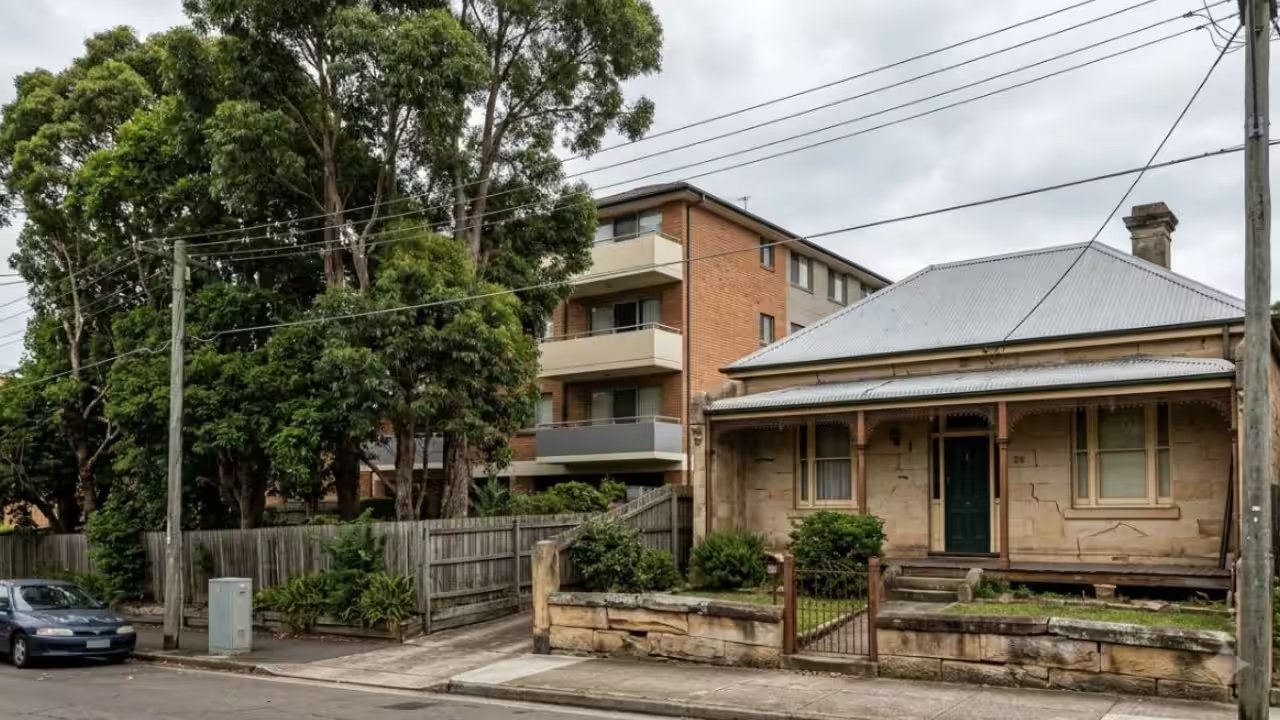
Catherine Armstrong, owner of a 130‑year‑old heritage house in Cremorne, sued the owners of Strata Plan 5548 after six neighboring trees allegedly caused cracks in her sandstone walls, a shifting verandah and a failing retaining wall. She demanded the trees be removed and stump‑grinded, and sought $23,650.86 in repair costs. The NSW Land and Environment Court dismissed the claim on grounds that the evidence did not prove a causal link between the trees and the damage.
Armstrong’s case hinged on arboricultural and engineering reports that suggested root intrusion and abnormal moisture were moving her structure. The court noted that four of the six trees had already been removed following earlier complaints and that 2022 excavations found no roots near the cracked sandstone wall. No root‑mapping, microscopic or tracing studies were presented to confirm the trees' involvement.
Instead, the court highlighted alternative factors such as a raised garden bed, faulty guttering, and clay soil that could generate moisture‑related movement. The judge accepted that maintenance work was needed to protect the heritage building but did not find a basis for tree removal. The decision leaves Armstrong to seek other remedies outside the court.
Heritage advocates say the ruling underscores the difficulty of attributing structural damage to neighboring trees without concrete evidence. Armstrong’s 130‑year‑old home, a prized example of Victorian architecture, remains at risk if underlying moisture problems are not addressed. The case may influence future disputes under the Trees (Disputes Between Neighbours) Act 2006 (NSW).