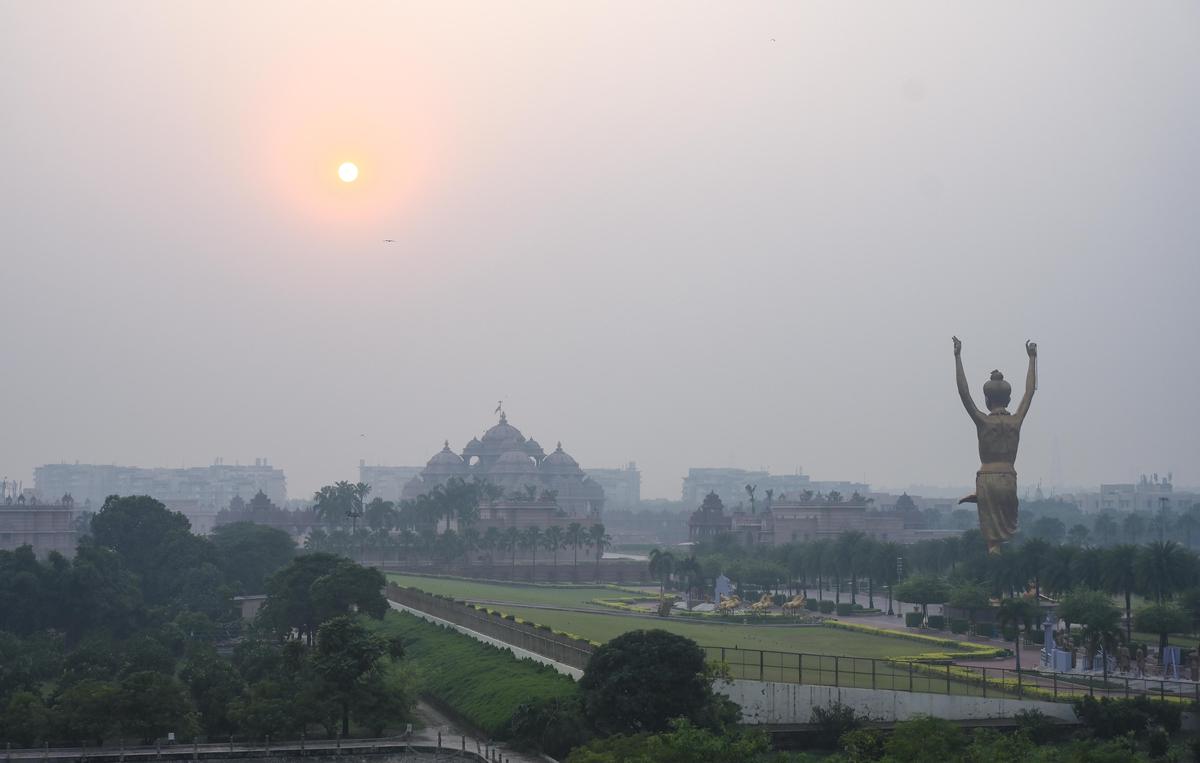
Delhi's winter air turned toxic on Monday. The city's 24-hour average Air Quality Index climbed to 324 by 4 p.m. on November 2, 2026, vaulting the capital straight into the 'very poor' tier for the first time this season. Just 24 hours earlier, the index sat at 261. With the Central government’s Air Quality Early Warning System projecting toxic conditions for at least the next three days, the Commission for Air Quality Management invoked Stage 2 of the Graded Response Action Plan across the National Capital Region.
The jump signals direct biological stress for millions of residents. The Central Pollution Control Board warned that sustained exposure to air in this band triggers respiratory illness, especially among individuals with existing cardiovascular vulnerabilities or asthma. While larger dust particles like PM10 settle in the upper airway, ultra-fine particulate matter—PM2.5—penetrates deep into the alveolar sacs of the lungs and leaks directly into the bloodstream. It inflames airways, spikes heart rates, and cuts oxygen efficiency. The last time the capital saw readings this bad was February 11, when the index touched 305.
The annual dip in winter air quality stems from a volatile seasonal mix. Sinking temperatures and low wind speeds trap heavy ground-level emissions over the Indo-Gangetic Plains. Stubble smoke from neighboring agricultural belts and festive firecracker emissions converge with regular vehicular exhaust, creating a stagnant dome of toxic haze.
To choke off tailpipe emissions, Stage 2 mandates steep hikes in municipal parking fees to force private vehicles off arterial roads. The Delhi government and state administrations across Gurugram, Faridabad, Ghaziabad, and Gautam Buddha Nagar must now stagger operating hours for municipal offices and public agencies to spread peak-hour traffic. Municipal bodies have deployed mechanical sweepers and high-pressure water sprinklers along dust-heavy corridors to settle coarse roadside particulate.
Public transit networks are scaling capacity to handle the shift. The Delhi Metro Rail Corporation added 20 extra weekday trips starting Monday—building on the 20 supplemental trips introduced when Stage 1 began on October 28. Metro authorities confirmed the expansion seeks to give daily commuters a dependable alternative to private cars as urban pollution levels peak.
For high-risk individuals, physicians advise shifting vigorous outdoor workouts to indoor environments and wearing well-fitted N95 respirators along heavy traffic corridors until wind speeds clear the stagnant basin.