The numbers from Hyundai’s Q2 FY27 earnings call paint a picture of a company fighting a logistical war while keeping its production lines humming. Managing Director Tarun Garg stated plainly that the company expects high double-digit year-on-year growth in exports during the second half of the fiscal year. This isn't just hopeful thinking; it’s a strategic pivot. After seeing first-half exports slide 7.6% to 92,008 units, the automaker is betting on a surge in demand from Latin America and Mexico to stabilize its overseas revenue streams.
The disruption in West Asia was the primary culprit for the earlier slump, but Hyundai has already started rerouting traffic. During the September quarter, exports actually ticked up 3.7% year-on-year to 53,300 vehicles. More telling is the 38% sequential jump from the June quarter’s 38,708 units. Finance VP Saravanan T noted that while the Middle East was hit hard, shipments to the region still grew 57% sequentially in Q2, aided by a 56% surge in Mexico-bound vehicles. They are literally moving cars through different ports to keep the flow going.
Margins are where the real squeeze is happening. Despite revenue hitting a record ₹20,696 crore—up 18.5%—the consolidated EBITDA margin dropped to 9.5% from 13.9% a year earlier. Raw material inflation is the main culprit. However, Saravanan clarified that logistics cost hikes haven’t eaten into profits because those expenses were passed directly to distributors. A net foreign exchange gain also provided a small buffer, but the commodity cost headwind remains the biggest challenge for the bottom line.
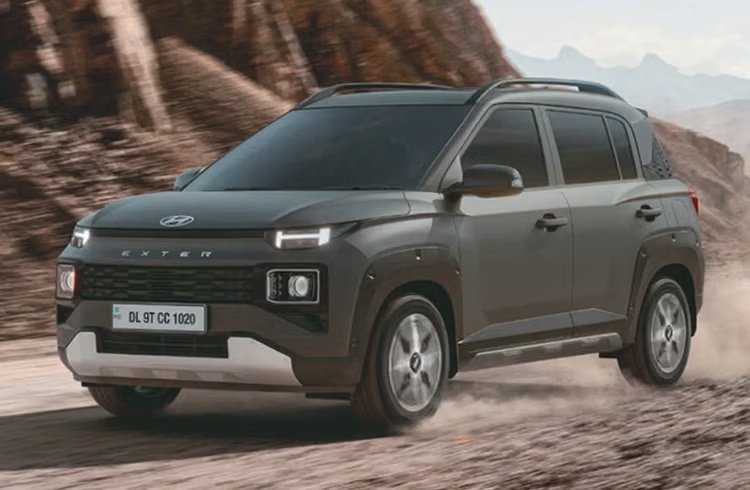
The product mix is shifting to support this export push. Hyundai is counting on the Venue to double its export volumes this fiscal year and the Exter to grow by at least 50%. The newly launched Bayon SUV, which hit Indian shelves on October 26, is slated for around 50 international markets with shipments starting next quarter. This aligns with a broader corporate goal: exporting 30% of India’s production volume by 2030. For buyers, this means more SUV variants might see tighter domestic supply or price adjustments as units are diverted overseas.
The outlook for H2 remains optimistic but fragile. The pace of recovery hinges entirely on geopolitical stability and the availability of shipping lanes. If West Asia tensions persist, the alternative routes will be the only lifeline. For now, Hyundai is banking on operational efficiency and a robust SUV lineup to turn the export wheel around in the coming months.