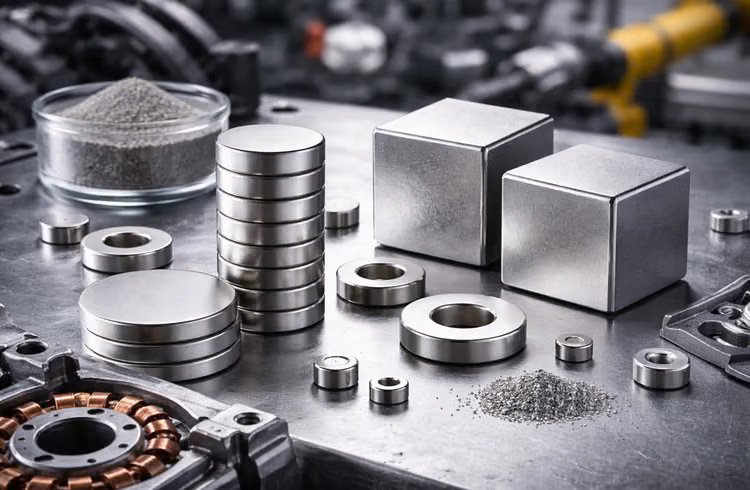
Nexon Geochem is pouring ₹1,250 crore into a 600‑tonne NdFeB magnet plant in Andhra Pradesh, aiming to kick off operations by April 2029. The facility will churn out sintered neodymium‑iron‑boron magnets—those tiny powerhouses that sit in every permanent‑magnet electric motor. For a buyer eyeing a new EV, the upside is clear: a more resilient supply chain could keep prices steady and reduce the risk of component shortages.
But the stakes are bigger than just cost. India still imports around 90% of its NdFeB magnets, so a domestic plant could shave off a chunk of that bill. The government’s ₹7,280‑crore scheme for 6,000 tonnes of integrated production is a nod to this urgency, and Nexon’s 600‑tonne capacity is a 10% slice of that target. If the plant meets its deadlines, the ripple could hit battery‑to‑wheel prices across cities like Delhi, Bengaluru and Chennai.
The plant sits on 30 acres in Thondangi, Kakinada district, and is set to create 886 jobs—256 direct and 630 indirect. That’s a concrete benefit for the local workforce, but for the EV market it’s a signal that India is tightening its manufacturing loop. Compare that with Tesla’s in‑house magnet production or the Chinese giants that already own the raw‑material chain, and you see a clear path to less import dependence.
Looking ahead, the first phase of ₹750 crore will get the plant up and running by 2029, while a second ₹500 crore phase will double capacity by 2035. For buyers, the critical question is when the first batch of magnets will hit the assembly lines. If production starts in 2029, automakers could roll out models with locally sourced magnets by 2030, potentially nudging price sheets down and boosting confidence in homegrown tech.