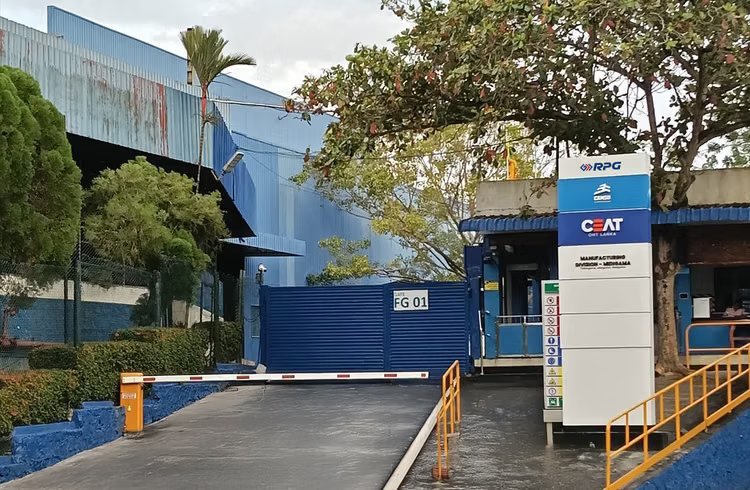
But the headline hides the everyday impact: for construction firms and farm‑equipment operators, CEAT’s move reduces the lag between order and delivery, as the tyre maker now owns the entire sales and service chain.
And that’s not just a corporate win. The two‑phase transition—front‑end sales networks and back‑end manufacturing logistics—means buyers no longer rely on Michelin’s legacy support. Instead, they get a single point of contact for warranty, replacement, and technical advice.
In the global tyre arena, CEAT’s expanded off‑highway lineup now rivals the likes of Michelin and Bridgestone. While Michelin has a storied history in off‑highway, its recent divestment leaves CEAT with a larger share of the market, especially in the 20‑30 tonne segment that feeds large construction rigs.
Yet the integration isn’t free of cost. Shipping tyres from Sri Lanka to Europe and the US incurs extra transit time, tying up working capital and raising freight charges. However, the new upstream compound plant, slated to be fully operational by Q1 FY28, will cut raw‑material costs and help CEAT offer more competitive pricing.
So look out for Q1 FY28 as the point where CEAT can fully eliminate external sourcing and deliver tyres that match or beat competitor prices. Buyers should watch how the company balances export duties, shipping logistics, and local service coverage in the coming months.