Revenue hit ₹4,762 cr, a 26% jump from the same quarter last year, but net profit slid 40% to ₹112 cr as material costs climbed. The company blamed a sustained spike in rubber and synthetic prices driven by the West Asia conflict.
The raw‑material surge hit the cost of consumption at 39% to ₹3,234 cr, outpacing revenue growth. For the average vehicle owner, this translates to higher tire prices, especially in the premium segment where CEAT has been expanding its product mix.
When you look at the market, Bridgestone and Michelin have also reported margin squeezes, but CEAT’s share of the premium tyre segment grew by 12% YoY. That means more competition for price‑sensitive buyers, yet CEAT’s aggressive pricing strategy keeps its products within reach of mainstream consumers.
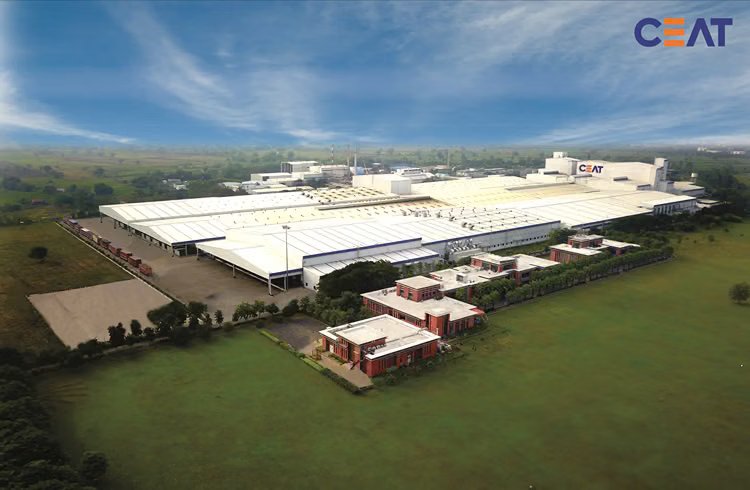
CEAT is pouring nearly ₹490 cr into capacity upgrades, adding 5 million tyre units this year. Expanded production should ease supply bottlenecks and could temper price hikes in the long run, giving fleet operators and private buyers a better bargaining chip.
The company expects the cost pressure to linger into Q3, but it plans to push for double‑digit sales growth while keeping fiscal discipline. Buyers should keep an eye on CEAT’s upcoming price adjustments, as the balance between supply expansion and raw‑material inflation will dictate the next wave of tyre prices.
CEAT’s tyres are available across 22,000 retail outlets nationwide, with a robust online channel that promises quicker delivery for city shoppers. This widespread reach means that any price shifts are likely to ripple through both new‑car buyers and those replacing worn tyres.