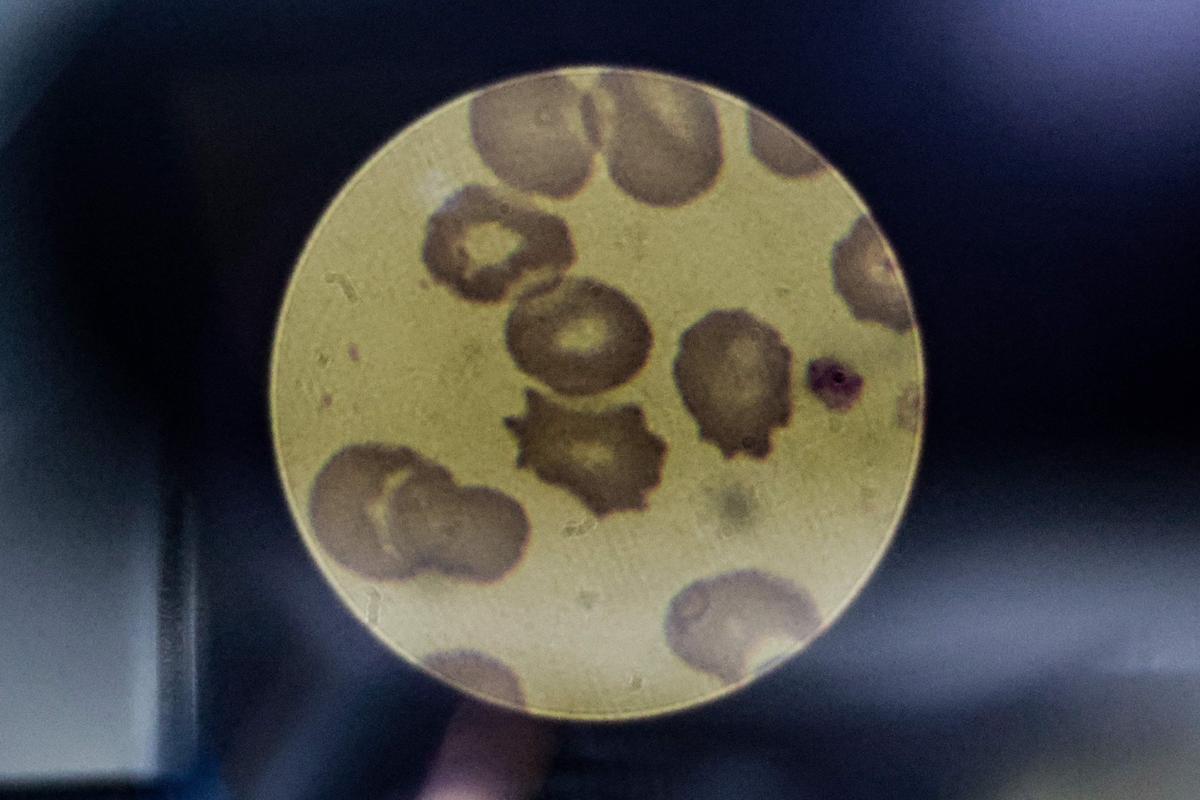
Human health does not exist in a vacuum. On One Health Day, global health authorities delivered a sharp warning: treating clinical medicine apart from animal welfare and ecological stability invites compounding disasters. Pathogens do not negotiate boundaries. When forests retreat, wildlife corridors collapse, or industrial farming packs livestock into tight pens, microscopic threats leap across species barriers straight into human communities.
The warning rests on a stubborn biological reality. The health of people, livestock, wildlife, and natural ecosystems operates as a single interconnected circuit. Yet modern public health policy routinely treats them as isolated silos. Neglecting this triad carries swift penalties. Without targeted funding and coordinated oversight across environmental and veterinary sectors, communities face compounding risks—uncontrolled viral outbreaks, catastrophic losses of cattle and food crops, and escalating climate-driven shocks.
Pathogen transmission moves through precise biological pathways. Biological vectors—such as ticks, mosquitoes, and biting flies—actively harbor pathogens inside their bodies, multiplying the infectious agent before delivering it directly into new hosts. In contrast, mechanical vectors transfer contaminants externally through contact and consumption without the microbe ever taking root inside the carrier. Both pathways accelerate when natural habitats fray and human settlements push deeper into undisturbed wild zones.
Simultaneously, antimicrobial resistance threatens to disarm standard medical care. As tracked by the World Health Organization and the Centers for Disease Control and Prevention, the routine overuse of frontline antibiotics across livestock farms breeds resilient superbugs. These resistant strains do not stay confined to barns. They travel silently through agricultural runoff, local groundwater, and meat supply chains, eventually rendering routine human therapies ineffective.
What does this mean for everyday public well-being? Real prevention starts long before symptoms send a patient to an emergency room. Protecting personal health requires clean water access, certified food sourcing, and an immediate halt to indiscriminate antibiotic use in commercial farming. When communities demand veterinary oversight for livestock and protect local wetlands that filter pathogens, they secure their own medicine cabinets against obsolescence.
Siloed public health programs no longer work. Bridging the gap between pathogens, people, and policy demands parity in public financing—funneling sustained resources into veterinary disease tracking and habitat conservation alongside hospital wings. As international tracking networks step up vigilance against emergent microbial threats, the mandate for policymakers remains clear: fund the defense of the shared ecosystem today, or manage untreatable contagion tomorrow.