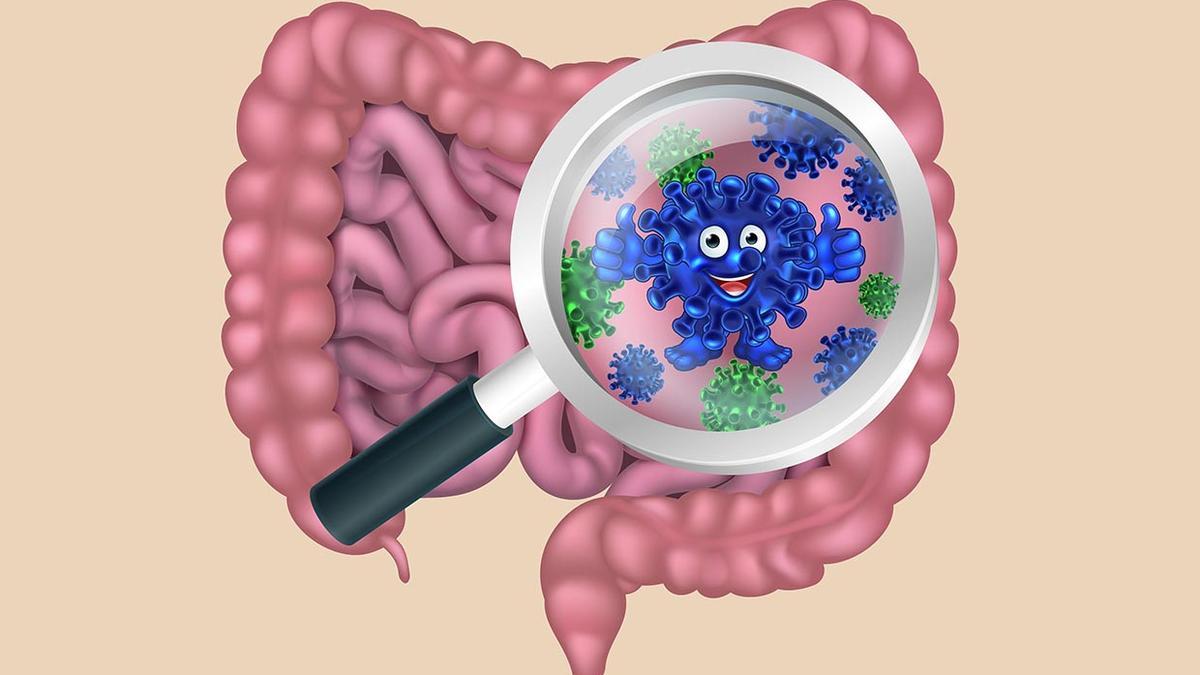
The tremors start in the hands, but the trouble may ignite years earlier in the gut.
Researchers at Cochin University of Science and Technology (CUSAT) and Thiruvananthapuram’s Sree Chitra Tirunal Institute for Medical Sciences and Technology (SCTIMST) discovered sharp biological divides between the intestinal microbiomes of Parkinson's patients and healthy adults. Their findings, published in the journal npj Parkinson’s Disease, mark the first time scientists have mapped both the bacterial profile and its functional biological impact on Parkinson's within an Indian population. The team evaluated 65 patients treated at SCTIMST’s Comprehensive Care Centre for Movement Disorders alongside 65 healthy control subjects. To strip out dietary distortions, researchers recruited the patients’ spouses as controls—ensuring both cohorts shared identical kitchen tables, water sources, and domestic routines.
Parkinson’s disease attacks nerve cells in the brain that produce dopamine, a chemical essential for smooth muscle control. Yet clinicians have long observed that non-motor disruptions—most noticeably chronic constipation and persistent indigestion—strike patients years before motor decline sets in. Stool analysis using 16S rRNA gene amplicon sequencing pinpointed the culprit: Parkinson’s patients harbored elevated levels of inflammation-driving bacteria and suffered a steep loss of beneficial microbes. These depleted bacteria normally churn out short-chain fatty acids, compounds that preserve the intestinal wall and tamp down systemic inflammation. When those microbial shields collapse, inflammatory triggers breach the intestinal lining and travel toward the central nervous system.
“The study found that differences in the abundances of these bacteria were strongly associated with disease severity and other clinical features of Parkinson’s disease,” said Baby Chakrapani P. S., director of the Centre for Neuroscience and assistant professor at CUSAT’s Department of Biotechnology. “The findings also suggest that gut bacteria may be linked to disease progression through their influence on processes involving dopamine, glutamate, and GABA, chemicals that play important roles in brain function.”
Funded by the Indian Council of Medical Research (ICMR), the benchwork was spearheaded by CUSAT research associate Aneesa P. A., under the joint direction of Chakrapani and SCTIMST neurologist Dr. Syam Krishnan. While international studies often show clashing results due to regional genetics and dietary shifts, the Kerala data establishes a distinct microbial baseline for Indian demographics.
Capitalizing on these bacterial markers could overhaul early clinical screening. Because gut dysbiosis surfaces long before irreversible dopamine loss cripples motor function, SCTIMST and CUSAT investigators plan to develop non-invasive stool-based diagnostic panels, while testing dietary and microbial therapies designed to repair the gut barrier before neurological damage locks in.