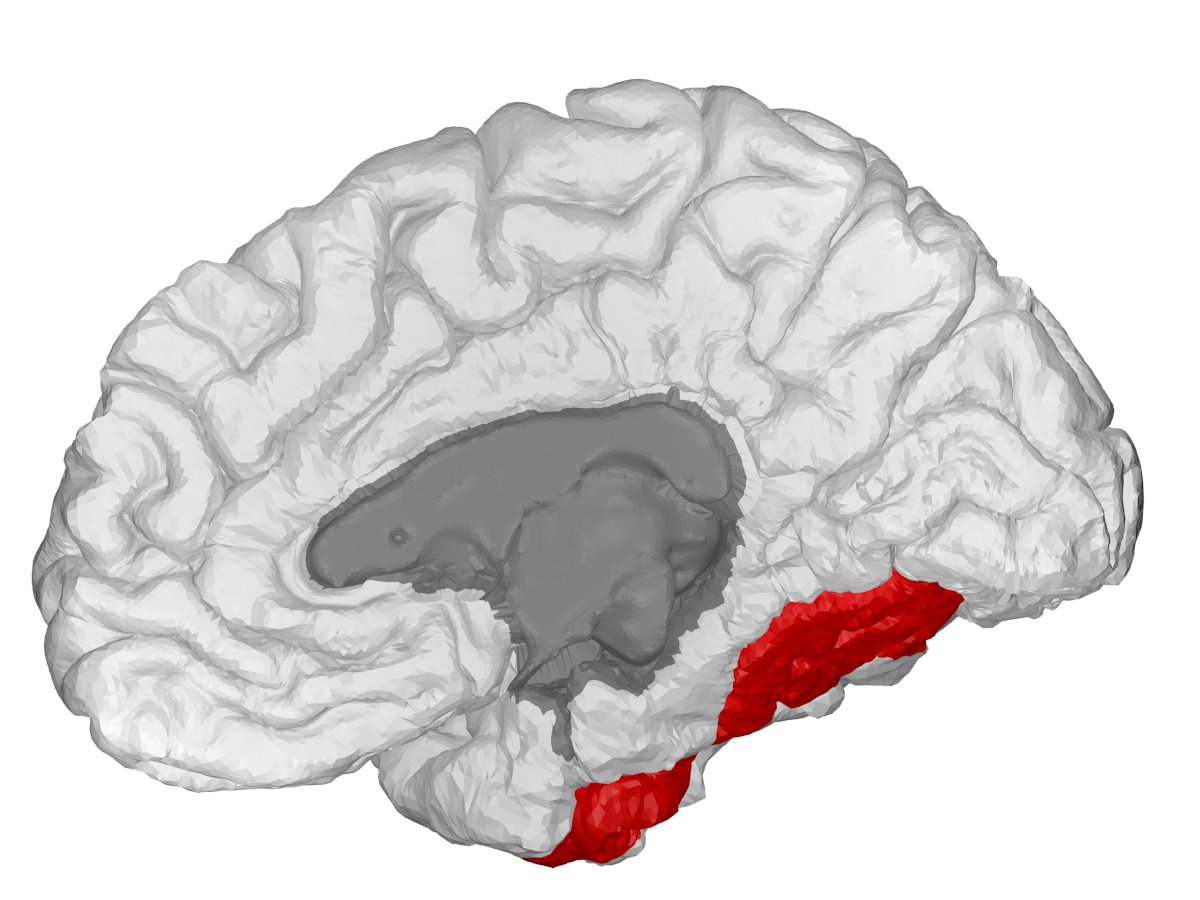
IIT Madras researchers have developed a high-resolution three-dimensional digital atlas of the human brain, capturing stroke damage with far greater precision than standard clinical imaging. Dubbed C-STROKE, the atlas marks a distinct advance over conventional magnetic resonance imaging (MRI). Rather than relying on standard low-resolution scans, the research team prepares real brain tissue, photographs it using high-throughput optical systems, and reconstructs the data into seamless 3D models.
The project is led by the Sudha Gopalakrishnan Brain Centre at IIT Madras. Heading the effort is Mohanasankar Sivaprakasam, whose team has now embarked on an ambitious drive to map more than 100 human brains across distinct stages of life. Their aim is straightforward: build an exhaustive anatomical library that reveals how neural architecture evolves over time—and how catastrophic vascular events tear it apart.
Hospital MRI machines remain vital for rapid emergency room triage. But they have clear physical limits. Standard scans capture tissue in macro slices, often blurring the microscopic cellular collapse that determines how well a stroke patient recovers.
To break through those limits, the IIT Madras team processes donor brain tissue with specialized histology, captures microscopic structural data across disciplines, and stitches millions of high-resolution digital layers back into a complete organ. By mapping the brain's cellular landscape in three dimensions, the C-STROKE platform exposes micro-vascular blockages and localized cellular loss that clinical scanners routinely miss.
For clinicians, the long-term dividend could reshape stroke rehabilitation. Mapping 100 brains across young, middle-aged, and elderly cohorts creates a standard baseline, allowing neurologists to cleanly distinguish normal aging from acute disease pathology.
Yet moving cellular atlases from research benches to hospital wards requires patience. Sivaprakasam noted that significant analytical work and clinical translation remain necessary before these massive volumetric datasets can assist daily patient care. For now, the Sudha Gopalakrishnan Brain Centre is expanding tissue processing across its target cohort, assembling a digital repository to anchor the next generation of brain science.