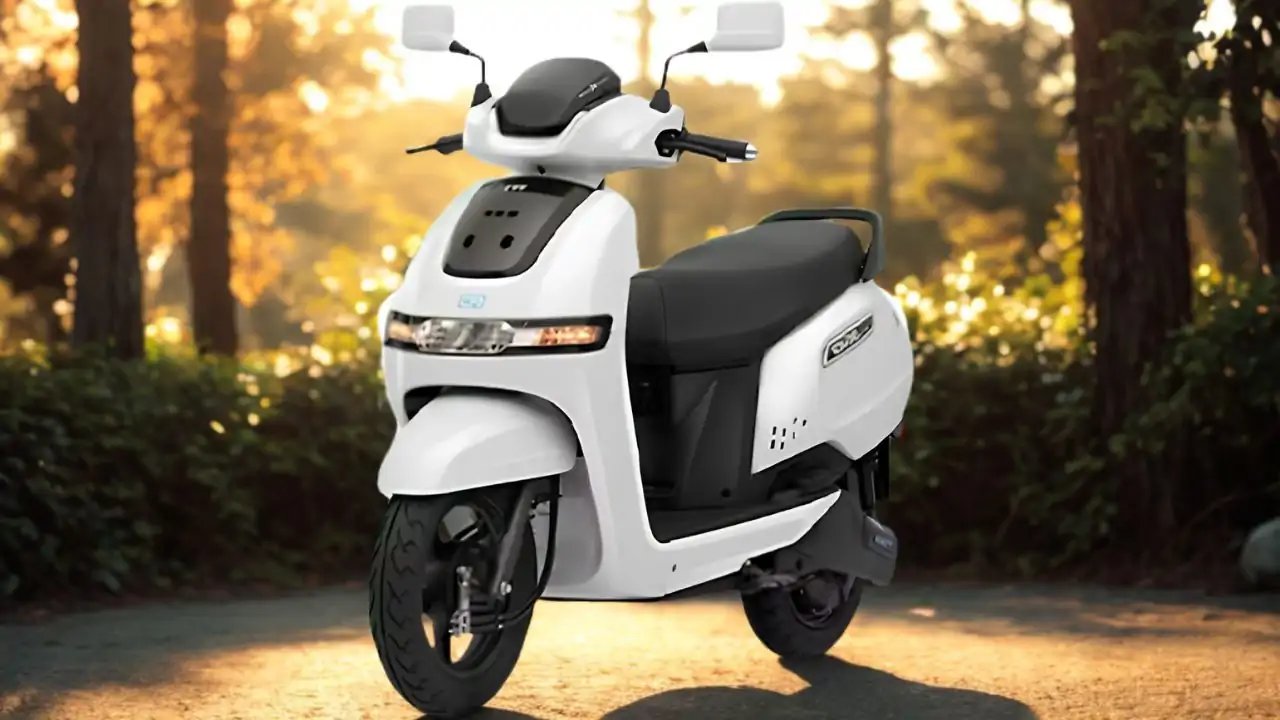
Looking for a city‑ready electric scooter that won’t break the bank? The TVS iQube line starts at ₹1.11 lakh and tops out at ₹1.77 lakh, with a certified range that stretches from 114 km on the smallest 2.3‑kWh pack to 212 km on the largest 5.3‑kWh pack.
TVS offers six trims: the base iQube 2.3 kWh, iQube 3.1 kWh, iQube 3.5 kWh, the MillionR Edition (same battery as 3.5 kWh), iQube S with a 4.7 kWh pack, and the top‑tier iQube ST sporting 5.3 kWh. Each jump adds roughly 30 km to the IDCRange and a few thousand rupees to the price, letting you pick a model that matches your daily mileage.
Under the hood, a 5.9‑hp hub motor keeps the scooter rolling at 68 km/h on the 2.3 kWh version and 82 km/h on the rest. Acceleration from stand‑still to 40 km/h takes about 4.2 seconds, which is decent for city traffic. Charging is straightforward: a 950 W wall‑plug pulls the battery to 80 % in just over four hours, and the company has more than 2,000 public chargers spread across 1,000+ cities.
The iQube packs a 32‑litre under‑seat bin, an LED headlamp with daytime running light, a 7‑inch display on S and ST trims, and a distance‑to‑empty gauge. The SmartXonnect app offers over 100 features, but a subscription is needed for full access. On‑road running costs come in at about ₹0.18 per km, a fraction of the ₹2 per km for a petrol scooter, assuming standard fuel and electricity prices.
In the crowded Indian electric‑scooter market, the iQube sits between the budget‑friendly Ather 450X and the premium‑priced Bajaj Chetak. While the Ather offers a higher top speed and more aggressive acceleration, the iQube’s lower price and longer range make it a more practical choice for commuters who value affordability over performance.
Manufacturers will roll out the fleet across major metros starting in November, with a staggered launch in tier‑2 cities by January. Keep an eye on TVS’s battery‑as‑a‑service option, which could shave upfront costs and keep you in the loop as battery technology improves.