The 2026 State of Design & Make report from Autodesk shows that a whopping 85 percent of surveyed Indian auto makers consider digital tools—especially AI—to be essential for business growth. Meanwhile, 64 percent are already close to hitting their primary AI integration targets, signalling a serious shift from experimentation to execution.
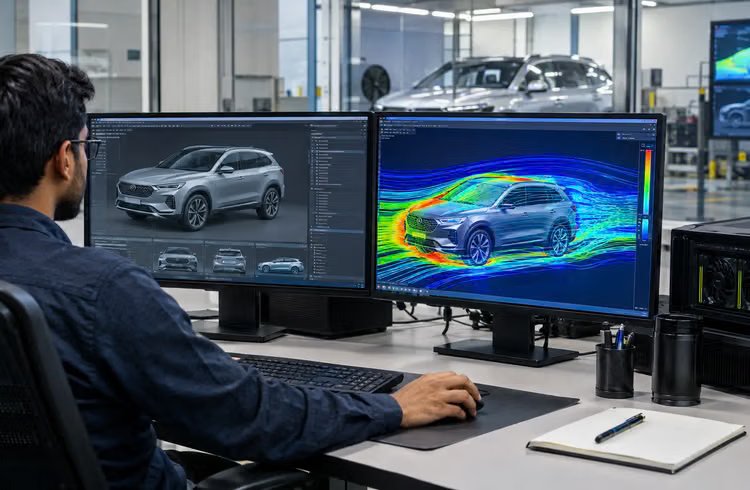
AI is not just a fancy add‑on; it’s being stitched into the very fabric of CAD and digital surfacing workflows. Generative design algorithms now help teams sketch out thousands of styling variants in a fraction of the time it used to take, while AI‑powered digital prototyping lets designers predict aerodynamic performance before a single mold is cast.
What does this mean for the average buyer? Faster turn‑around on concept validation translates into shorter development cycles, which often cut production costs. In turn, manufacturers can offer more competitive pricing or invest those savings in higher‑quality interiors and advanced driver aids.
Industry observers note that this trend aligns India with global leaders who have long used AI to shave weeks off vehicle development. As more firms adopt similar workflows, we’re likely to see a ripple effect—newer models reaching market shelves sooner and with more refined design choices. Keep an eye on the next wave of EV releases from Mahindra, Hyundai, and Tata; they’ll be the first to showcase the tangible benefits of AI‑infused design.
The rollout of these AI tools is already underway, with several Indian OEMs reporting beta deployments by mid‑2025. Full commercial integration is expected across the major brands by late 2026, positioning the Indian auto market to match the speed of its international counterparts.