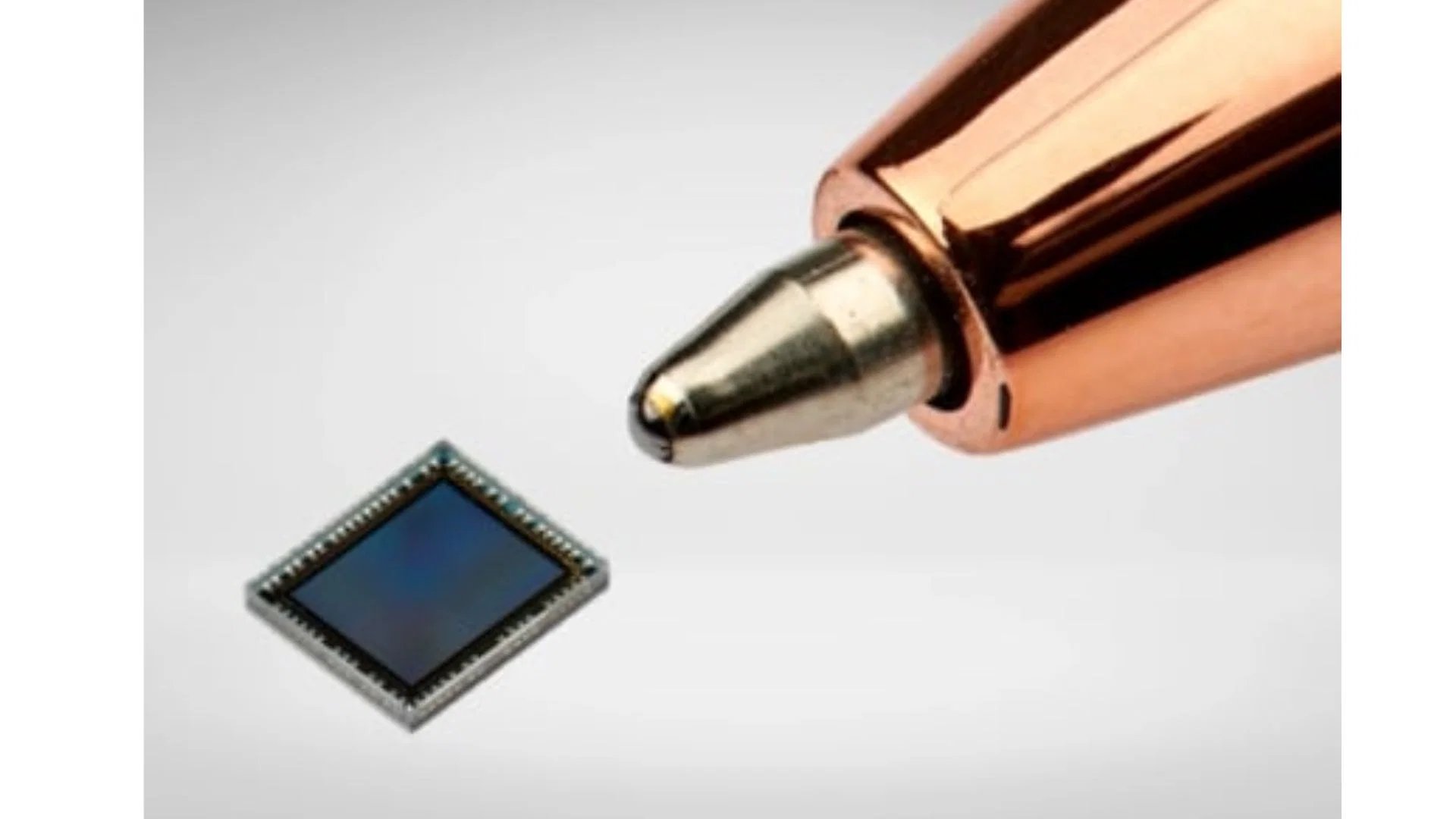
The new VD56GA packs a 1.1‑MP sensor into a 3.7 mm × 3.2 mm CSP, a size that fits comfortably under a dashboard display. It delivers 35 % better modulation transfer function and 60 % higher quantum efficiency than its predecessor, meaning crisper night‑time imagery for driver‑monitoring systems.
In the crowded field of in‑cabin cameras, ST’s offering sits next to Bosch’s 1.2‑MP NUCLEO and Continental’s 1‑MP VSG‑S sensors. What sets it apart is the back‑illuminated, ST DeepNIR architecture that boosts infrared sensitivity without adding bulk. The company says the result is a module that can be dropped into existing platforms with less expensive optics and no external image processor.
Embedded calibration—mirror, crop, dark calibration, auto‑exposure, and piecewise‑linear processing—means the sensor outputs RAW and YUV directly. That simplifies the software stack and accelerates development, a point highlighted by Yole Group analyst Anas Chalak, who noted that the market could see over 70 million units by 2031 if cost and integration are addressed.
Manufacturing takes place in ST’s Crolles, France plant, with packaging handled across Asia. The firm has already shipped its 10 millionth SafeSense sensor, signalling robust supply‑chain resilience. For OEMs, this translates to predictable lead times and long‑term support, especially important as vehicle makers push for tighter safety‑system compliance.
Looking ahead, the sensor is slated for integration in high‑volume models slated for 2027‑2028. Buyers should watch how automotive platforms adopt the VD56GA, particularly as regulators tighten driver‑monitoring mandates and EV makers seek lighter, cheaper safety modules. The next wave of vehicles will reveal whether ST’s sensor can make the leap from niche premium systems to mainstream fleets.