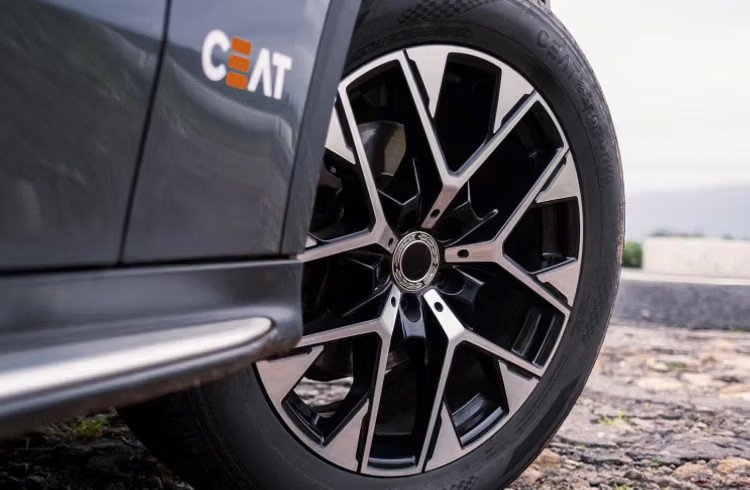
CEAT Limited has announced a 7‑8% price hike on its tyre portfolio to wrest back the shock from a 9% quarter‑on‑quarter rise in raw‑material costs, driven by steep increases in natural gas and crude‑oil derivatives. The decision comes after the company’s Q2 FY27 revenue jumped 26% to ₹4,762 crore but its EBITDA margin contracted 403 basis points to 9.50%, a squeeze that only a full price pass‑through can undo.
OEM contracts in India lag behind the raw‑material cycle. Fixed quarterly indexation means vehicle makers absorb the first hit, then pass the load to the end‑user when they tweak pricing or absorb thin margins. For a car buyer, that translates into a 5‑10% bump in the cost of a 4‑wheel tyre set, and a subtle rise in the price of a new vehicle that includes integrated tyre costs.
The aftermarket, however, reacts faster. CEAT’s Q2 data shows double‑digit volume growth across export and domestic replacement streams, but domestic growth is largely price‑led. A 7‑8% hike in tyre prices means that a standard 4‑piece set for a compact car could climb from ₹18,000 to roughly ₹19,500, nudging the annual maintenance bill higher for the average owner.
How does this sit against the competition? MRF, Apollo, and Michelin are all grappling with similar commodity pressures, but their price adjustments have been more muted—typically 3‑5% in the last quarter. CEAT’s steeper increase could force buyers to weigh the trade‑off between brand loyalty and raw cost, especially as premium tyre segments see slimmer margins.
From a policy standpoint, the Indian government’s push for 30% EV penetration by 2030 has increased demand for high‑performance tyres, adding another layer of cost pressure. Manufacturers are already recalibrating their supply chains to accommodate battery‑heavy vehicles, and a tyre price rise will feed into the overall cost of ownership for EVs and ICE cars alike.
The price hike is expected to roll out in the third quarter of FY27, with OEMs and aftermarket distributors adjusting their price lists accordingly. Buyers should keep an eye on the next quarterly indexation cycle, as any further commodity spikes could push tyre prices even higher, tightening the already thin margins that automotive firms are fighting to maintain.