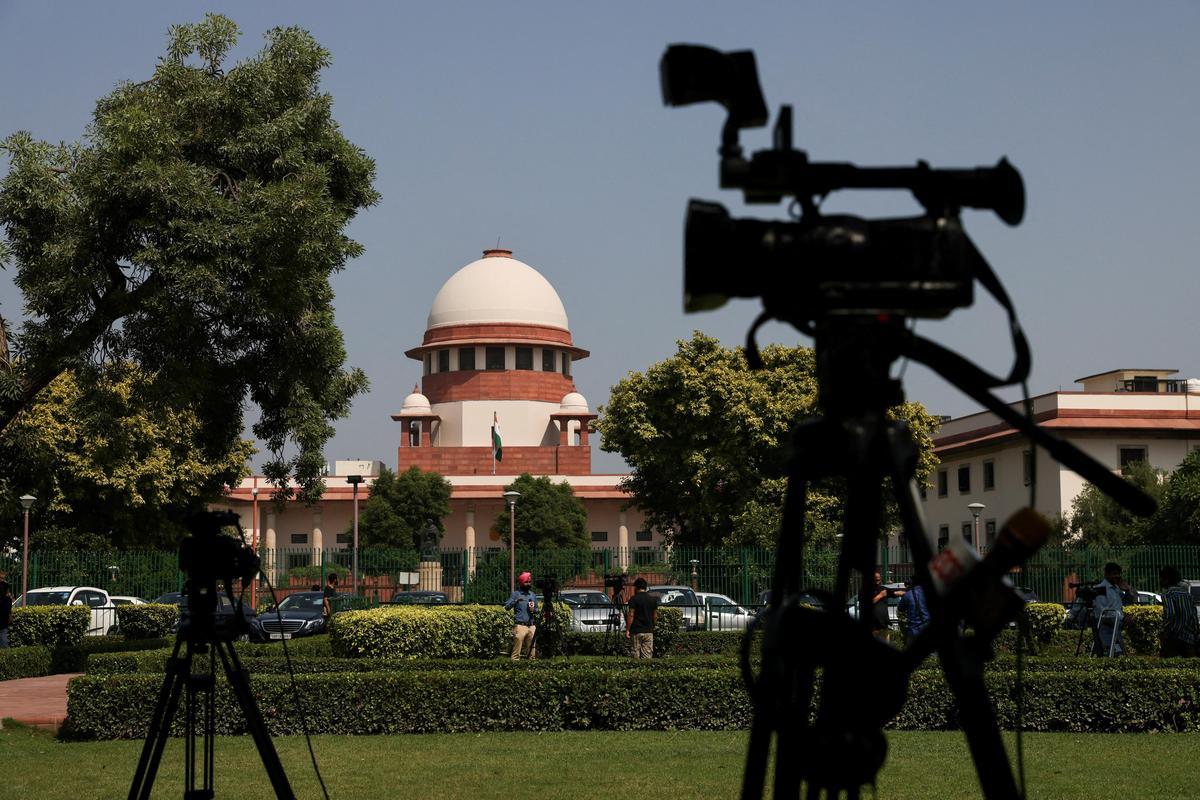
India no longer faces a runaway population crisis. In a 37-page judgment, the Supreme Court declared that statutory penalties barring citizens with more than two children from public office have lost their ground, crippled by a sharp demographic transition across the country.
A Bench headed by Justice P.S. Narasimha and Justice Alok Aradhe ruled that the national panic over demographic explosion has evaporated. India’s Total Fertility Rate—the average number of children born to a woman across her lifetime—has dropped from 3.02 to 1.9. That figure sits well below the critical 2.1 replacement threshold needed for a population to replenish itself from one generation to the next. Justice Narasimha pointed out that while total numbers have not yet begun an outright contraction, sub-replacement fertility inevitably tilts the country toward an ageing population and a shrinking workforce.
Flogging reproductive curbs today risks compounding an impending demographic squeeze. The court noted that senior citizens aged 60 and above climbed from 8.3% of India's population in 2014 to 9.7% in 2024. Official projections expect that cohort to approach 15% by 2036. Rather than obsessing over demographic containment, the Bench stated that public policy and state legal systems must pivot toward fostering healthy population growth and shielding reproductive rights.
Penal provisions directly violate personal liberty. The judgment stems from an appeal filed by Mangala Bhimrao Ingle, who won election as Sarpanch of the Kakoda gram panchayat in Maharashtra in 2022. State authorities disqualified her under Section 14(1)(j-1) of the Maharashtra Village Panchayats Act after finding she had delivered a third child in 2014. The top court stayed those disqualification proceedings, allowing Ingle to retain her post.
Jolting citizens with punitive disqualifications compels an unconscionable trade-off between natural parenthood and democratic participation. The court held that disqualifying mothers bears no rational connection to their capacity to administer public duties, directly infringing Article 21 protections of reproductive autonomy.
Calling for an immediate reassessment of its 2003 ruling in Javed versus State of Haryana—which had relied on outdated year-2000 demographic panic from China—the Bench directed that a larger Bench revisit the doctrine to align state health statutes with modern population realities.