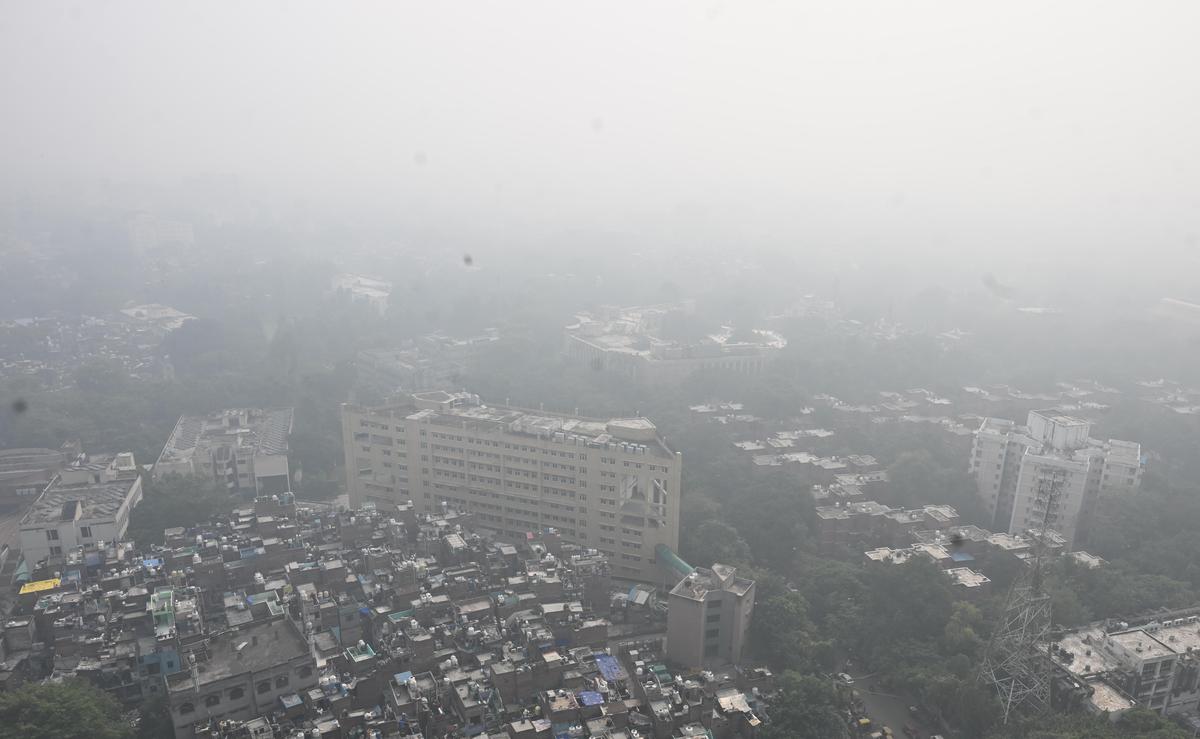
The smoke arrived before sundown. As firecrackers crackled across Delhi during Diwali festivities, hazardous particulate matter pushed air quality readings into the severe zone. For millions inhaling the festive haze, the immediate fallout was stinging eyes, dry throats, and raspy coughs. Yet medical specialists warn of far deeper systemic trauma hiding behind the smog. Toxic air does not stop at the lungs. Clinical research shows particulate exposure accelerates arterial inflammation, spikes blood glucose levels, and triggers cellular changes linked to cancer.
The biological route is direct. When ultra-fine toxic particles breach pulmonary barriers, they enter the bloodstream within minutes. Cardiologists explain that this chemical intrusion damages blood vessel linings, driving up blood pressure and straining heart muscle tissue. Over extended periods, that sustained cellular inflammation disrupts insulin signaling pathways—turning seasonal air spikes into a catalyst for type-2 diabetes and cardiovascular disease.
Mask up before stepping outside. Physicians urge families—particularly pregnant women, cardiac patients, and children—to wear fitted N95 respirators whenever local monitoring stations register severe air quality. Cloth coverings do little against micro-particulates. High-efficiency indoor air purifiers offer immediate relief inside closed bedrooms, but timing matters just as much. Exercising outdoors during dawn inversions forces massive volumes of soot directly into chest tissue; doctors recommend shifting cardio workouts indoors until daytime winds scatter surface pollutants.
Beyond seasonal smog, public health authorities are sounding the alarm over gaps in routine infectious disease defenses. Recent developments abroad—including the first measles death of a child in New York State in 30 years and recurring Ebola flare-ups across parts of Africa—highlight how quickly neglected pathogens exploit lapses in basic immunization. At the same time, new clinical inquiries into Hepatitis B reinforce that timely childhood vaccine schedules remain the primary shield against chronic liver damage and late-stage viral complications.
Yet prevention must reach the ground. In tribal belts such as Attappady in Kerala, recent infant fatalities brought chronic maternal anemia and child malnutrition back into national focus. Weak maternal health and micronutrient deficits dismantle child immune systems long before seasonal bugs strike. Health directors are now deploying integrated One Health frameworks—combining environmental management, animal health monitoring, and doorstep maternal nutrition programs—to fortify vulnerable rural households before winter infections surge.