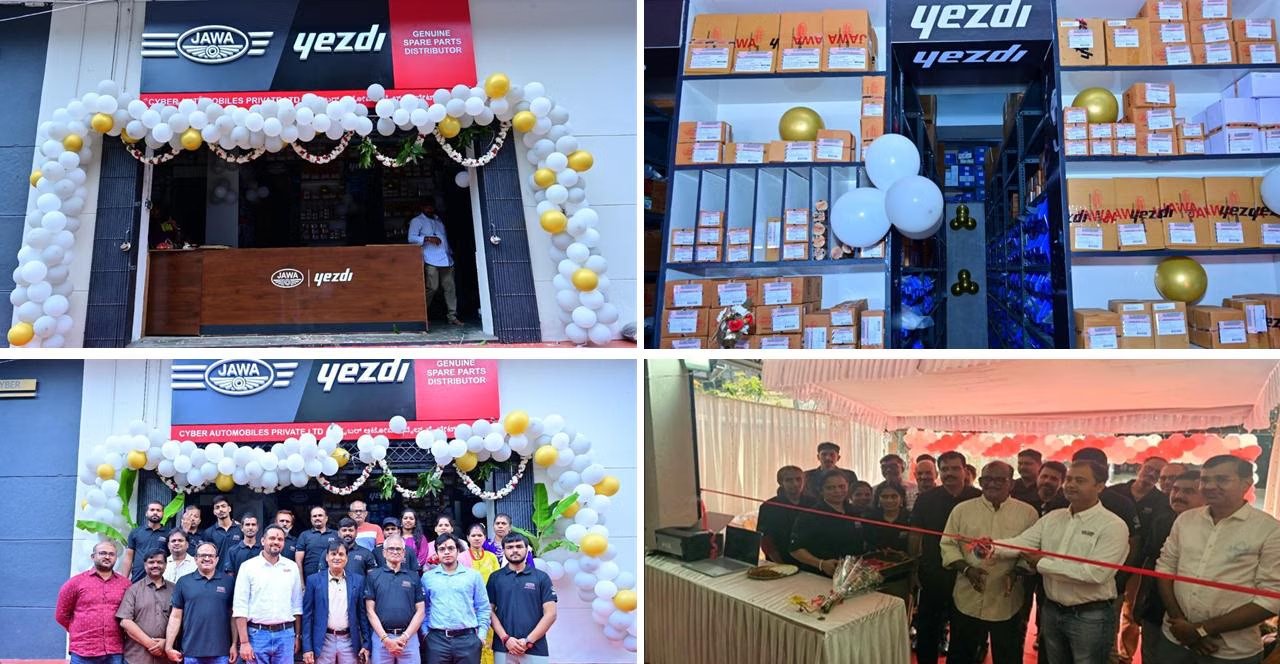
If you ride a Jawa 42, a Yezdi FZ25, or a BSA Gold Star, you know the anxiety of hitting a mechanical snag far from a major city. For years, the bottleneck for these heritage brands wasn’t the bike’s performance—it was the wait for a specific carburetor float or a head gasket. Classic Legends just broke that logjam. On Monday, the company announced the launch of an authorized distribution network designed to put genuine spare parts into the hands of independent workshops, service partners, and owners directly, bypassing the need to haul your machine back to a primary dealership.
This isn’t just a logistics tweak; it’s a strategic shift in how the company handles after-sales support. By appointing regional distribution partners across urban, semi-urban, and rural markets, Classic Legends is effectively decentralizing its supply chain. The goal is blunt: shorten procurement cycles and cut down service turnaround times. For a rider in a Tier-2 or Tier-3 city, this means the difference between a two-day wait for a part arriving from a central hub and a same-day fix from a local mechanic who now has direct access to authorized stock.
Anupam Thareja, Co-founder of Classic Legends, framed the move as a critical step in scaling the rider experience. "As more riders choose Jawa, Yezdi and BSA, delivering a seamless ownership experience remains a key priority for us," Thareja said, noting that easy access to genuine parts is integral to that promise. The company is scaling its product portfolio, and with it, its rider base. Keeping the support infrastructure in lockstep with sales growth is the only way to maintain brand loyalty in a market where alternatives like Royal Enfield have long dominated the service ecosystem.
For the broader market, this signals a maturation of the premium motorcycle segment in India. It’s no longer enough to sell the bike; you have to keep it running when it’s 500 kilometers away from the nearest authorized service center. As Classic Legends expands this network, watch for how quickly these regional partners can stock high-demand items. The success of this initiative will hinge on inventory depth at the local level, not just the announcement itself. For now, the parts are coming, and the wait times should finally start to shrink.