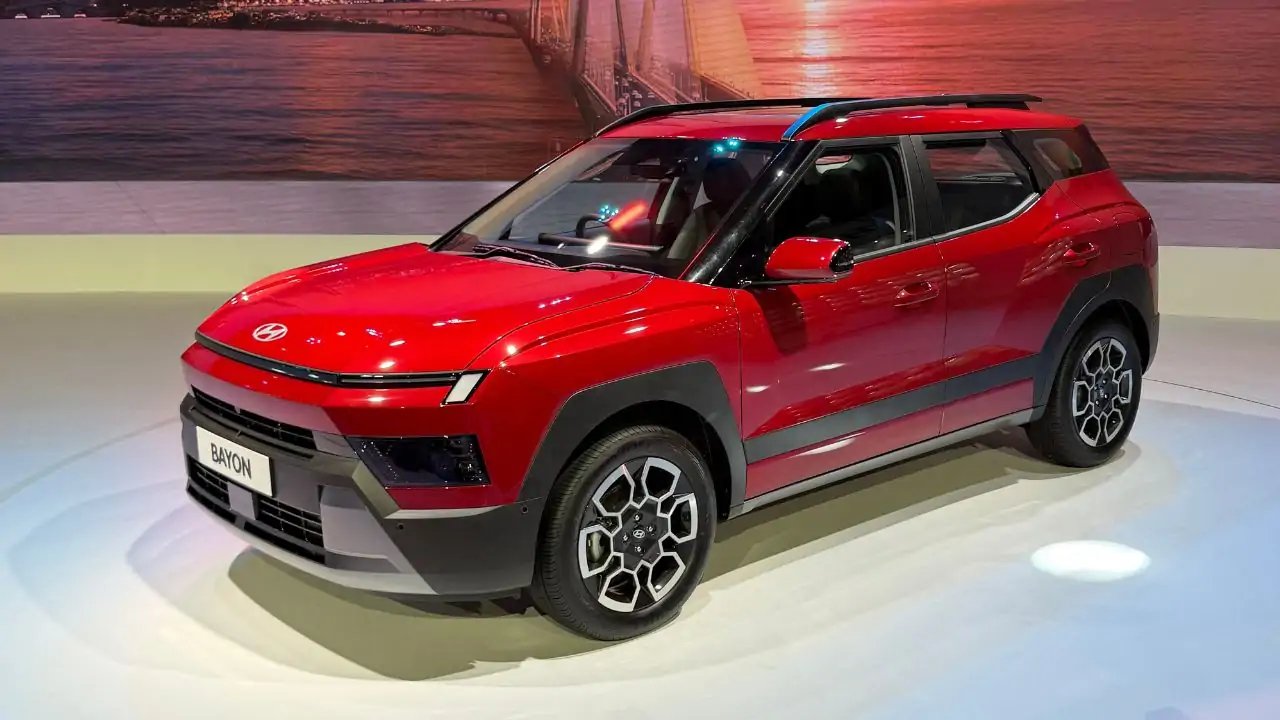
The petrol version of the Bayon just hit showrooms, starting at ₹9.99 lakh ex-showroom. But the real value proposition for the average Indian buyer might be the CNG variant, confirmed for January 2027. Hyundai is playing the long game here, positioning the gas-powered SUV just weeks after the petrol model’s debut. It’s a smart play for people who drive high kilometers daily and want to slash fuel bills without sacrificing the mid-size SUV badge.
Under the hood, expect the familiar 1.5-litre, four-cylinder naturally aspirated engine. In petrol form, it pushes 115hp and 143.8Nm, but the CNG version will likely settle for less. This power drop is standard for gas conversions, so don’t expect race-car thrills. The transmission will almost certainly be a six-speed manual. An automatic option remains a rumor; the petrol Bayon offers an iVT, but CNG cars rarely get that complexity yet.
Practicality hinges on the tank placement. Industry insiders bet on an underbody-mounted setup. If Hyundai does this, it preserves boot space—a critical factor for families. Compare this to rivals like the Maruti Suzuki Grand Vitara CNG or Toyota Urban Cruiser Hyryder, where tank placement often eats into luggage capacity. The Bayon could win on utility if it keeps the trunk open. It sits right between the Venue and Creta, a sweet spot for those finding the Venue too small and the Creta too pricey.
Pricing will be the wildcard. Since the petrol base is ₹9.99 lakh, the CNG variant will likely sit higher, probably in the ₹11-12 lakh range depending on the final spec sheet. That puts it in direct competition with the Maruti Suzuki Victoris and the Hyryder. These rivals have owned the CNG segment for years, but the Bayon brings a newer platform and potentially better interior tech. Watch for the official price reveal closer to the launch window. January 2027 is the target, but details on mileage and variant slabs are still under wraps.