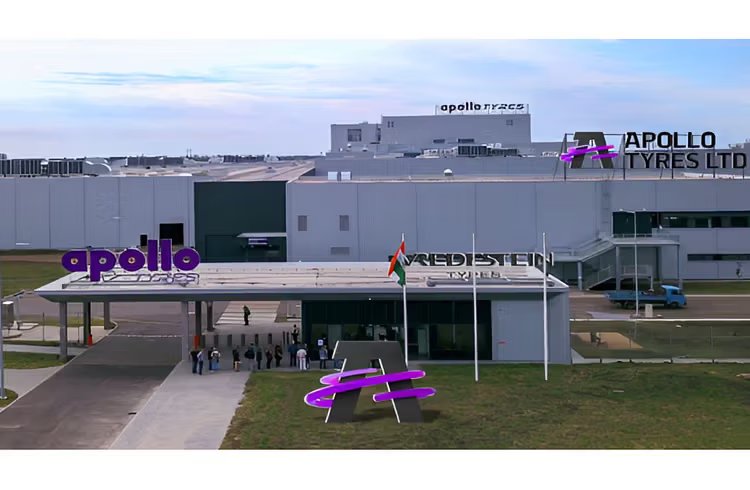
Apollo Tyres has appointed Amit Chhabra as Group Head, Commercial for OEM and Institutional Business, effective May 2025. Chhabra, who spent seven years at Shell as Head of Sales for Auto OEMs, joins the Gurugram‑based tyre manufacturer after a decade at Tata Consultancy Services.
For buyers, the appointment signals Apollo’s intent to beef up its OEM and institutional relationships. Fleet managers and OEM partners will likely see more customised tyre packages, tighter delivery windows and potentially lower per‑unit prices as the company seeks to lock in long‑term contracts.
Apollo’s core tyre offerings sit in a clear price‑performance spectrum. The P21 SUV tyre covers 300 km on a single tread and can handle up to 800 kg, retailing at ₹6,200 to ₹7,000. The P18 light‑commercial‑vehicle tyre offers 250 km mileage and a 600 kg load rating, priced between ₹3,200 and ₹4,500. Passenger‑car models like the P10 come in a 1,200–1,800 ₹ range. These figures give buyers an immediate sense of value versus competitors.
In the competitive arena, Michelin and Continental sit on the higher end of the price ladder, often commanding 10–15 % premium for low‑rolling‑resistance and extended‑life claims. Goodyear and BF Goodrich offer mid‑tier options that align closer to Apollo’s pricing, but Apollo’s domestic manufacturing base gives it an edge on lead times and cost‑control.
Policy shifts are nudging the market toward low‑rolling‑resistance tyres for electric vehicles. With the Indian government tightening duty on imported tyres, Apollo’s focus on institutional accounts could translate into a more aggressive push into EV‑specific tyre research. The new head’s background in OEM sales positions the company to secure contracts with manufacturers like Tata Motors, Mahindra & Mahindra and municipal fleet operators.
Looking ahead, Apollo plans to roll out a new generation of tyres in Q3 2026, with launch events slated for Delhi and Mumbai. Industry watchers should keep an eye on partnership announcements with OEMs and on how Apollo’s pricing strategy evolves in response to the rising demand for EV‑compatible tyres.