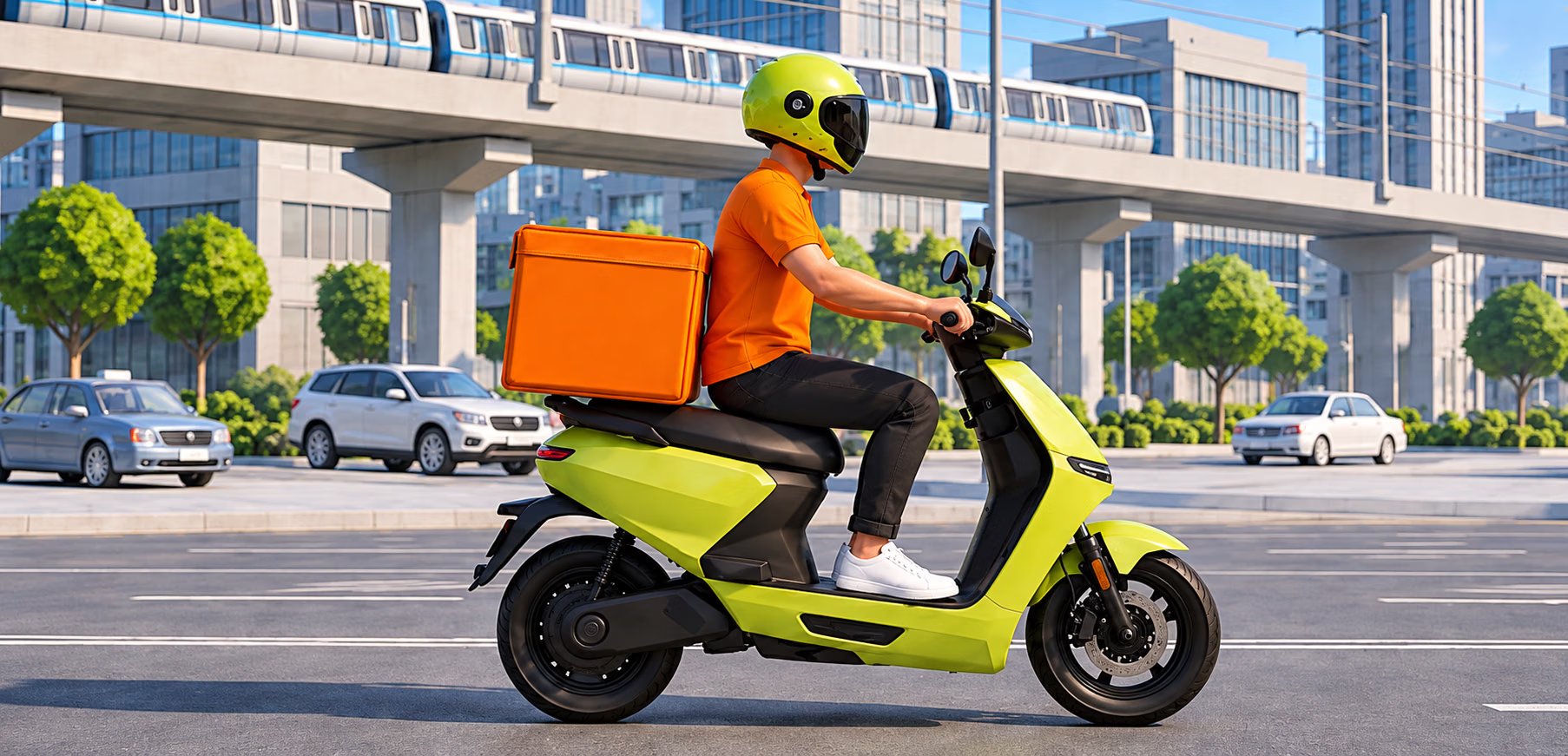
EV Scooter Demand Soars as Quick‑Commerce Riders Need 400–500 km Range
When a delivery rider in a Tier‑2 city clocks 400–500 km a week, the scooter they choose can’t just be a cheap motorbike; it has to be an electric machine that keeps the price low while delivering that mileage. The rapid rise of quick‑commerce and food‑delivery platforms in India has turned the two‑wheeler market into a battleground for manufacturers who can hit that sweet spot.
According to a recent BCG study, affordability tops the list for 72 % of these riders, followed by speed (55 %) and manoeuvrability (50 %). Roughly two‑thirds of them still prefer scooters—66 %—and 85 % ride alone, meaning storage and load capacity are less critical than agility and battery life. In contrast, the so‑called “Industrious” segment, which covers over 500 km a week, values carrying capacity and storage more heavily.
Electric scooter penetration has surged from 16.8 % of the FY24 market to 24.1 % year‑to‑date in August 2026, while overall electric two‑wheelers climbed from 5.5 % to 9.9 % in the same period. That jump shows the market is no longer a niche; it’s a mainstream shift that will pressure OEMs to offer models that can keep up with the 400–500 km weekly requirement.
Battery longevity and range are now the headline features for high‑utilisation riders. A scooter that can run 60 km a day without a recharge is a game‑changer, especially when delivery operators want to avoid downtime. Manufacturers are already experimenting with higher‑capacity cells and smarter power‑management software, but the real test will be how these systems hold up under continuous urban cycling.
Beyond the numbers, riders are demanding a seamless ownership experience: quick service, reliable battery warranties, affordable insurance packages, and a resale network that keeps the vehicle’s value intact. If a brand can bundle these services with a competitive price point, it will likely dominate the “Trip Maximizer” niche.
Looking ahead, several major players—including Ather, Bajaj, and TVS—plan to launch new electric scooter variants between Q4 2026 and Q2 2027, with ranges pushing 250–300 km on a single charge. Buyers should keep an eye on how these models balance cost, range, and after‑sales support, and whether they can truly meet the 400–500 km weekly demand of India’s fastest delivery riders.