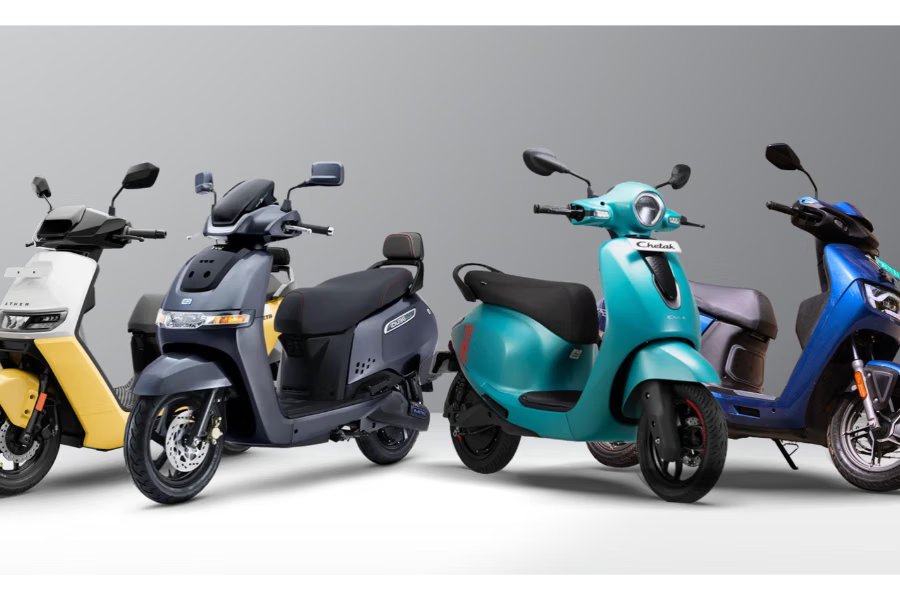
In September 2026, TVS Motor led the electric two‑wheeler market with 54,037 units, a raw figure that dwarfs the next‑best player, Bajaj Auto, which sold 48,429.
These five brands—TVS, Bajaj, Ather, Hero, and Ola—account for roughly 83% of the 207,314 units sold that month, meaning a single launch from a new entrant would struggle to make a dent unless it offers something the incumbents don't.
On the bright side, the segment has jumped 88.7% year‑on‑year, and EVs now make up 11.6% of all two‑wheel sales, up from 8.2% in 2025. Consumers are also more open: 43% are actively considering an EV for their next purchase, a rise from 30% in 2024.
For the discerning buyer, that means brands are competing on more than price. You’ll see a spread of ranges from 60 km on entry‑level models to over 180 km on flagship scooters, and boot space is improving as manufacturers use modular platforms. Battery warranties and service networks are also becoming a selling point, especially in Tier‑2 cities.
What to watch next? The next wave of growth will favor makers who tailor their models to niche needs—affordability for daily commuters, performance for urban riders, or ruggedness for rough roads. With the government tightening EV mandates and import duties on batteries, brands that can offer longer life and lower ownership costs will edge ahead.