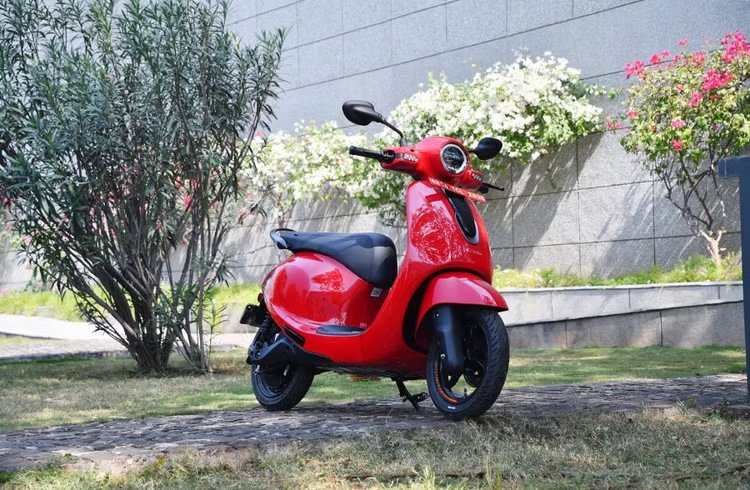
For a commuter in Mumbai or a farmer in Rajasthan, the recent jump in electric two‑wheeler adoption means the next bike on the block is likely to be a battery‑powered scooter or motorcycle rather than a petrol model. The decision is driven by lower running costs, growing city‑wide charging hubs, and a tightening regulatory push toward zero‑emission vehicles.
In sheer numbers, the segment’s penetration climbed to 9.9% in FY27 YTD through August, a jump from 5.5% in FY24. Electric scooters alone now account for 24.1% of the scooter market, compared to 16.8% a few years back. The headline figure—almost approaching a tenth of all two‑wheel sales—shows the category is no longer a niche experiment.
Sales data from the Federation of Automobile Dealers Associations confirms the trend, reporting an 88.7% year‑on‑year rise to 207,314 units in September 2026. That figure translates to 11.6% of total two‑wheeler retail sales for the month, up from 8.2% in September 2025. The compound annual growth rate for electric scooters between FY22 and FY26 is a staggering 54%, while petrol scooters grew only 16% in the same period.
Consumer sentiment has shifted sharply. In the "Convenience Above All" segment, positive views of electric bike aesthetics rose from 30% in 2024 to 59% in 2026. Perceptions of good pickup increased from 27% to 48%, and trust in established brands grew from 28% to 46%. These shifts suggest buyers are evaluating performance and style on par with legacy models.
The product pool has also broadened: the number of electric two‑wheeler models available has jumped roughly 30% since 2023, and electric motorcycle options have doubled. Still, five brands—Hero MotoCorp, TVS, Ola Electric, Bajaj, and Hyundai—control about 83% of the market, indicating that scale and brand reputation remain decisive.
What buyers need to monitor next are the long‑term durability and road‑capability of these bikes, especially on rough terrain and highways. Battery warranties, insurance packages, and a reliable service network will likely become the differentiators that decide whether a customer sticks with the brand or switches.
As manufacturers keep rolling out new models, the focus will shift from simply offering electric variants to delivering a complete ownership experience—service centers, battery swaps, and resale options. Those who get it right will capture the growing share of commuters eager to make the switch.